


In today’s evolving commercial landscape, multi-purpose business spaces are becoming the norm rather than the exception. Companies continuously seek innovative methods to maximize their workspace functionality and ambiance while enhancing employee wellbeing and customer experience. One of the most transformative approaches gaining prominence in 2026 is the adoption of dynamic lighting solutions. These advanced systems integrate flexibility, energy efficiency, and smart technology to reimagine how lighting influences commercial environments.
Businesses now understand that more than just illumination, lighting design plays a pivotal role in shaping the atmosphere, encouraging productivity, and reinforcing brand identity. By employing strategic light layering and smart controls, commercial spaces can seamlessly transition between different functions—from collaborative meetings to private focus work or client receptions—all within the same environment. This dynamic adaptability not only optimizes space usage but also creates a welcoming ambiance tailored to diverse needs.
Key takeaways:
- Dynamic lighting adjusts to different business activities, enhancing workspace ambiance and functionality.
- Smart lighting controls future-proof business infrastructures by enabling customization and energy savings.
- Layering ambient, task, and accent lighting creates visual hierarchy and flexible lighting schemes needed for multi-purpose spaces.
- Integration of natural light complements artificial lighting, improving user comfort and reducing energy consumption.
- Forward-thinking companies invest in human-centric lighting to boost productivity and wellbeing.
Dynamic Lighting and Its Impact on Multi-Purpose Business Environments
Dynamic lighting solutions have revolutionized business lighting by infusing adaptability and efficiency into commercial spaces accommodating multiple activities. In companies where an office doubles as a conference area, event space, or lounge, incorporating flexible lighting systems ensures the environment meets evolving demands without physical restructuring.
At the core, dynamic lighting enables real-time adjustments to brightness, color temperature, and focus, directly influencing mood and productivity. For instance, in 2026, many tech startups utilize cool white lighting during brainstorming sessions to stimulate alertness and sharper focus, while switching to warmer amber hues post-work hours to foster relaxation and social interaction. This seamless transition reinforces employee wellbeing and aligns lighting with biological rhythms, a principle backed by research emphasizing the importance of human-centric lighting.
Consider a multi-functional reception area in a hotel or corporate headquarters: dynamic lighting can highlight architectural features or artwork during day hours, then soften in the evening to create a calming ambiance for guests. Such versatility enhances customer experience by providing visually engaging, brand-aligned environments that adapt effortlessly to time and purpose.
Furthermore, businesses leveraging smart lighting enjoy profound effects on energy efficiency. Systems equipped with occupancy sensors and daylight harvesting technology adjust illumination based on presence and natural light availability, substantially reducing power consumption. Some advanced facilities have cut their lighting-related energy expenses by up to 70%, clearly demonstrating how intelligent lighting design serves both environmental and economic goals.
Ultimately, dynamic lighting ushers in a paradigm shift, providing multi-purpose business spaces the means to be flexible, sustainable, and aligned with occupant needs.

Mastering Light Layering Techniques for Enhanced Workspace Ambiance
An essential aspect of lighting design in multi-purpose environments is mastering the art of light layering. This methodology combines ambient, task, and accent lighting to create depth, flexibility, and visual interest, all of which contribute significantly to enhancing workspace ambiance.
Ambient lighting provides the general illumination foundation, often achieved through overhead fixtures like recessed or track lights. Uniform and diffused, it ensures that the entire space is comfortably lit without harsh shadows. In a bustling shared office or retail environment, achieving balanced ambient light is vital for comfort and navigation.
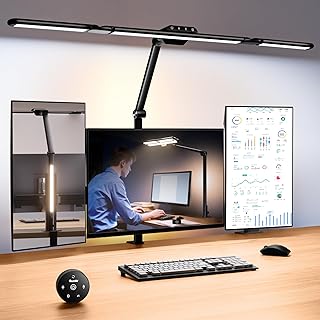
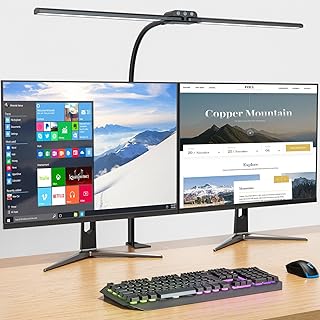
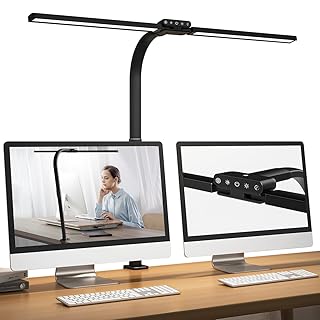
Task lighting, by contrast, focuses on illuminating specific areas where detailed activities occur. Adjustable desk lamps, under-cabinet lighting, or directional floor fixtures address this need. For businesses, effective task lighting is not just about visibility; it directly relates to productivity and error reduction. Studies featured in expert analyses highlight how well-designed task lighting minimizes strain and improves accuracy, particularly in visually intensive roles.
Accent lighting adds the finishing touch, emphasizing architectural features, artworks, or product displays through targeted illumination. This form of lighting enriches storytelling within a space, subtly guiding visitors’ attention and enhancing aesthetic appeal. In retail, for example, accent lighting can spotlight high-margin products or seasonal promotions, thereby playing a strategic role in merchandising.
Beyond just layering types, advanced designs incorporate color temperature tuning, where warmer hues promote relaxation and cooler tones foster alertness. With smart bulbs and adjustable fixtures, spaces can dynamically adjust lighting profiles according to time of day or function, offering unparalleled control over the environment.
Here is a simplified table showing the characteristics and benefits of each light layer in dynamic business spaces:
| Light Layer | Purpose | Example Fixtures | Benefits |
|---|---|---|---|
| Ambient Lighting | Overall illumination | Recessed lights, track lights | Comfortable, even light distribution |
| Task Lighting | Focused work illumination | Desk lamps, under-cabinet lights | Improves visibility and reduces errors |
| Accent Lighting | Highlighting features | Wall sconces, picture lights | Enhances aesthetic appeal and visual interest |
By combining these layers thoughtfully, businesses create spaces that are not only flexible but invite increased engagement and satisfaction.
Integrating Smart Lighting Controls to Future-Proof Business Spaces
As dynamic lighting grows more sophisticated, smart lighting controls have become indispensable tools for managing complex lighting environments, particularly in multi-purpose spaces. These systems enable tailored customization, automation, and remote management, crucial for businesses aiming to optimize comfort, operational efficiency, and sustainability.
Smart lighting platforms allow users to schedule lighting scenes to automatically shift between different modes depending on time, occupancy, or external lighting conditions. For example, a co-working space might program brighter, cool white lighting during morning hours to enhance alertness and dim to a softer amber tone during late afternoons to encourage relaxation. This technology also supports hands-free control through motion sensors, reducing energy waste by turning lights off when areas are unoccupied.
Moreover, many enterprises now actively incorporate smart lighting controls to future-proof their investments. These systems can seamlessly integrate with building management and Internet of Things (IoT) platforms, providing advanced analytics, predictive maintenance alerts, and adaptive learning that optimize not only lighting but overall energy consumption.
The financial implications are significant. Facilities managers estimate decreasing lighting maintenance costs and extending LED lifetime through optimized usage. Additionally, energy cost savings achieved through occupant-responsive lighting contribute directly to improved operational budgets. The integration of tunable white lighting, in particular, has been cited as a game-changer for industries ranging from healthcare to retail, enhancing productivity while reducing environmental footprint.
Ultimately, smart controls empower businesses to create flexible lighting environments that adapt effortlessly to changing needs, thereby elevating both employee experience and operational sustainability.
Leveraging Natural Light and Architectural Features in Business Lighting Design
A comprehensive dynamic lighting strategy for multi-purpose commercial spaces must harness the benefits of natural lighting and architectural lighting to provide visual comfort and brand distinction. By smartly combining daylight with artificial lighting, businesses can optimize energy efficiency while crafting inviting atmospheres that resonate with users.
Natural daylight has profound physiological and psychological impacts, contributing to circadian rhythm regulation and enhancing mood. Designing spaces with ample windows, skylights, and glass partitions enables the infusion of daylight, which can be modulated by automated blinds or filters to reduce glare without sacrificing illumination. The use of daylight harvesting sensors then complements electric lighting by dimming luminaires when sufficient natural light is detected.
Architectural elements such as exposed beams, textured walls, or unique facades offer ideal opportunities to use lighting to reinforce a brand’s identity and narrative. Architectural lighting techniques involving wall washing, grazing, or uplighting can dramatically highlight these features, turning structural elements into visual landmarks that impress visitors and clients alike. These techniques also aid in spatial orientation and zoning, subtly guiding users through varied functional areas within the space.
Forward-looking facility managers can reference guidelines on lighting and WELL building standards to ensure their lighting schemes meet health and sustainability certification benchmarks, further elevating occupant wellbeing.
When natural and architectural lighting are thoughtfully incorporated, they complement the dynamic lighting system, creating an integrated design that supports productivity, reduces energy expenses, and elevates the overall business environment.
How Can Dynamic Lighting Solutions Enhance Multi-Purpose Business Spaces?
Explore key 8 Light Layering Strategies that transform your workspace ambiance, efficiency, & aesthetics.
Select a lighting strategy to see details
Click or tap on any strategy above to discover how it enhances multi-purpose business spaces.
Practical Light Layering Strategies to Optimize Multi-Purpose Business Spaces
To maximize the benefits of dynamic lighting in multi-purpose spaces, consider these eight practical light layering strategies:
- Ambient Lighting: Start with uniform illumination for a comfortable base light level.
- Task Lighting: Provide adjustable and focused lighting to accommodate different activities.
- Accent Lighting: Use for visual interest and highlighting key areas or branding elements.
- Architectural Lighting: Illuminate design features to enhance space identity and ambiance.
- Natural Light Integration: Maximize daylight use with controlled shading to reduce glare.
- Smart Lighting Controls: Employ programmable systems for energy savings and user customization.
- Color Temperature Variation: Layer warm and cool tones to set appropriate moods for different tasks.
- Visual Hierarchy: Use lighting contrasts and directionality to define zones and focus.
Implementing this multi-layered approach allows businesses to tailor their environments dynamically throughout the day, creating spaces that inspire productivity enhancement and leave lasting impressions.
Integrating these methods into your lighting design will not only transform your space aesthetically but also contribute substantially to operational efficiency and occupant satisfaction. For detailed insights and case studies, explore resources on lighting solutions delivering high ROI.
How do dynamic lighting solutions improve employee productivity?
Dynamic lighting adapts color temperature and brightness to suit different tasks, boosting focus and reducing fatigue, which directly enhances productivity in multi-purpose workspaces.
What are the energy benefits of smart lighting in business spaces?
Smart lighting systems optimize energy use by adjusting lighting based on occupancy and daylight availability, which can reduce energy expenses by up to 70% according to recent studies.
Why is task lighting important in multi-functional commercial environments?
Task lighting ensures specific activities are well illuminated, minimizing workplace errors and eye strain, crucial for safety and efficiency across diverse business functions.
Can dynamic lighting influence customer experience and brand identity?
Yes, dynamic and architectural lighting can enhance ambiance and highlight key design elements, strengthening brand image and improving customer engagement.
How can businesses future-proof their lighting infrastructure?
Investing in smart lighting controls and systems that integrate with building management ensures flexibility for future upgrades and energy-efficient operation, safeguarding long-term performance.