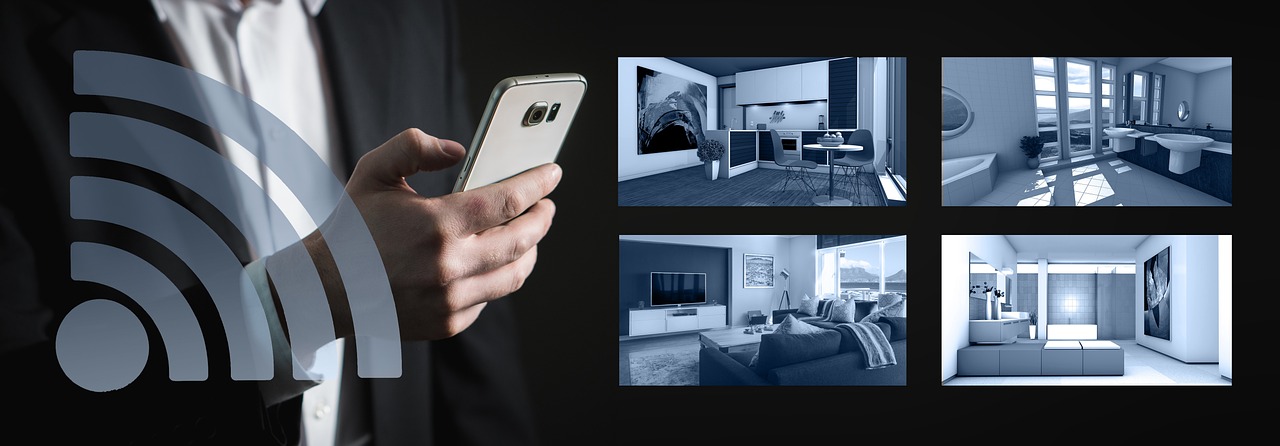


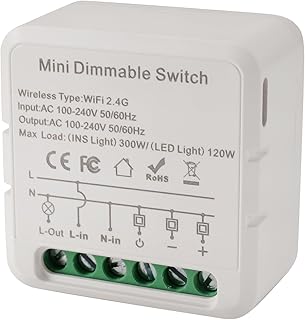


In the dynamic world of commercial business infrastructure, staying ahead requires innovative solutions that not only optimize operations but also future-proof assets against evolving technological and environmental demands. One such groundbreaking innovation is the integration of SmartLighting controls. These intelligent systems merge LED hardware with cutting-edge IoT capabilities and Automation to revolutionize energy management, operational efficiency, and occupant experience. As energy costs soar and sustainability becomes a pressing corporate priority, businesses adopting smart lighting systems gain a competitive edge by reducing costs, enhancing comfort, and preparing their facilities for the connected workplaces of tomorrow.
Smart lighting technology transcends traditional illumination by combining adaptive sensors, scheduling, remote control, and integration with broader building systems, enabling precise lighting according to real-time occupancy, daylight availability, and user preferences. This article delves into the profound impact of smart lighting controls on commercial infrastructures, illustrating how these solutions offer unparalleled EnergyEfficiency, substantial CostSavings, and a pathway toward sustainable BusinessInfrastructure designed for future challenges.
Transforming Energy Efficiency with Smart Lighting Controls in Business Infrastructure
Lighting consumes a substantial portion of energy in commercial spaces, accounting for nearly 38% of total electricity usage. This significant share represents a prime opportunity for businesses to drastically reduce operational costs through intelligent lighting solutions. Unlike static traditional fixtures, smart lighting systems utilize adaptive LED fixtures integrated with motion detectors, daylight harvesting technologies, and programmable controls that tune light intensity and schedules to precise needs.
For example, in office environments, occupancy sensors can automatically switch off lights in unoccupied meeting rooms or corridors, immediately cutting unnecessary energy outlays by approximately 30%. In retail settings, lighting can adjust dynamically to store hours or promotional events, minimizing energy wastage outside peak hours while elevating the customer experience through well-planned illumination. Warehouses optimize safety and energy efficiency by segmenting aisles with individual zone controls, illuminating only active areas or responding to automated inventory movements.
These technologies combined allow businesses to reduce energy consumption by 50-70%, a remarkable saving that translates into measurable CostSavings. Moreover, smart lighting systems’ integration with building management enhances overall facility efficiency by coordinating lighting with heating, ventilation, security, and other automated systems, creating an ecosystem that optimizes resources holistically.
| Smart Lighting Feature | Energy Impact | Example Use Case |
|---|---|---|
| LED Lighting Upgrades | 50-70% electricity reduction | Replacing fluorescent bulbs in office buildings |
| Occupancy Sensors | Up to 30% savings in unused spaces | Conference rooms, hallways |
| Daylight Harvesting | Reduces artificial light use by 60% | Perimeter office zones with natural light |
| Integrated Controls with BMS | Optimizes overall energy use | Coordinating lighting, HVAC, and security |
As lighting infra evolves in 2026, SmartTechnology continues to reduce upfront and lifecycle costs, with improved sensors and AI analytics driving smarter decision-making and automated adjustments for load balancing and resource allocation. For further insights on lowering operating expenses, consult strategies to slash energy costs through intelligent lighting.
Strategic Business Benefits of Implementing Smart Lighting Controls
Beyond the visible advantages in reduced energy expenditure, smart lighting controls deliver substantial strategic benefits that support sustainable business growth and operational resilience. Incorporating intelligent lighting transforms physical spaces into responsive environments that nurture productivity, wellness, and user satisfaction.
Smart lighting systems facilitate:
- Personalized Lighting Experiences: Employees or customers can adjust light intensity and color temperature via apps or voice commands, tailoring settings to enhance concentration or relaxation, and positively influencing well-being.
- Circadian Lighting: By mimicking natural daylight cycles, these systems align lighting with human biological rhythms, reducing fatigue and absenteeism, as explored comprehensively in studies on circadian lighting’s impact on workforce productivity.
- Operational Intelligence: Real-time analytics and predictive maintenance through AI reduce downtime and lower repair costs, enabling facility managers to respond proactively to issues before they become costly disruptions.
For example, a global corporate office that integrated smart lighting controls alongside its HVAC and security systems reported a 62% reduction in lighting consumption with a payback period of just over two years. This digital transformation not only curbed energy expenses but also enhanced employee satisfaction by providing customizable workspace lighting options.
Integrating lighting as part of a broader smart infrastructure also enables demand response capabilities, allowing businesses to participate in grid load management during peak periods. This synergy between lighting and energy markets is an emerging trend shaping commercial real estate’s future.
Companies looking for valuable guidance on maximizing retail lighting ROI should consider insights from best-performing commercial lighting solutions in retail, which highlight the strategic deployment of smart lighting to boost sales and reduce wastage.
Choosing the Right Smart Lighting Solutions to Future-Proof Your Business
A well-planned implementation is key to leveraging the full potential of smart lighting controls. Businesses must conduct comprehensive assessments of current lighting infra and align solutions with their unique operational and sustainability goals.
Major considerations include:
- Lighting Audit: Evaluating existing fixtures, usage patterns, and energy costs to identify upgrade opportunities.
- Infrastructure Compatibility: Assessing wiring, sensor infrastructure, and IT systems to support connectivity and integration.
- Scalability and Flexibility: Selecting modular systems that accommodate future expansion and emerging technologies.
- User-Centric Design: Incorporating occupant comfort and control to drive adoption and satisfaction.
Smart lighting technologies range from standalone LED retrofit systems to enterprise-grade Building Management Systems (BMS) with integrated controls that synchronize lighting with HVAC, ventilation, and security components. It is vital to quantify lifecycle costs versus benefits, including rebates and anticipated energy savings to optimize return on investment.
| Selection Criteria | Description | Business Impact |
|---|---|---|
| Energy Savings | Potential percentage reduction in energy use through automation and efficient tech | Lower operational expenses, enhanced sustainability |
| System Integration | Ability to connect with existing building systems and future expansions | Streamlined management, improved ROI |
| User Interface | Ease of control via apps, voice, and presets | Improved occupant satisfaction & productivity |
| Installation Impact | Complexity and downtime requirements of the retrofit | Minimal disruption to operations |
Businesses considering smart lighting upgrades should also explore which industries excel with tunable white lighting, a feature that enhances visual comfort and performance in diverse environments such as healthcare, education, and manufacturing.
Smart Lighting Controls Feature-Benefits Comparison
Filter the comparison table by typing feature or benefit keywords
| Feature ▲▼ | Benefit ▲▼ |
|---|
Advancing Workplace Wellness and Productivity with SmartLighting
Smart lighting controls extend their influence beyond efficiency by fostering environments that actively enhance human health and productivity. Properly designed commercial lighting positively affects cognitive performance, mood, and overall well-being—critical factors for competitive business environments.
Several mechanisms explain these benefits:
- Circadian Rhythm Support: By adjusting color temperature throughout the day to mimic natural sunlight cycles, smart lighting reduces eye strain and regulates sleep-wake patterns.
- Personalized Control: Employees gain autonomy over their work environment’s lighting, enabling optimization according to tasks, preferences, and comfort, which is linked to increased engagement.
- Reduced Glare and Fatigue: Intelligent dimming and anti-glare technologies improve visual ergonomics, reducing fatigue during long working hours.
- Preset Lighting Modes: Settings for focus, collaboration, relaxation, or energy boosts cater flexibly to different work modes and activities.
Workspaces equipped with circadian lighting have documented reductions in absenteeism and improved productivity, while allowing employers to showcase their commitment to Sustainability and wellness initiatives. For further exploration, the article improve focus and productivity through lighting strategies offers in-depth guidance.
SmartLighting Controls as a Catalyst for Digital Transformation in Commercial Buildings
In the context of accelerating Automation and digitization trends, smart lighting systems represent a foundational step toward intelligent building ecosystems. They contribute not only to immediate energy savings but also establish an adaptable infrastructure layer—often called the “digital ceiling”—essential for integrating future innovations such as AI-driven HVAC management, IoT-based occupancy analytics, and enhanced safety systems.
By embedding smart lighting into building design, organizations create scalable, interoperable platforms that seamlessly support:
- Real-time environmental monitoring
- Demand response capabilities tied to energy grids
- Comfort-driven workplace personalization
- Data-driven asset management and predictive maintenance
This digital evolution in business infrastructure turns lighting into a versatile tool for operational intelligence and strategic advantage. For organizations aspiring to remain competitive in 2026 and beyond, adopting smart lighting controls is a key enabler of sustainable innovation and resilience.
| Digital Transformation Aspect | Role of Smart Lighting Controls |
|---|---|
| Energy Management | Automated optimization and integration with renewables |
| Occupant Experience | Personalization and wellness-focused lighting schemes |
| Building Automation | Centralized control through IoT and BMS connectivity |
| Data Analytics | Predictive maintenance and operational insights |
To gain a fuller understanding of smart lighting’s pivotal role in commercial infrastructure futures, explore how lighting influences brand identity and customer engagement—essential for businesses prioritizing their market position alongside operational excellence.
Can smart lighting systems be retrofitted into existing commercial buildings?
Absolutely. Smart lighting can be integrated into existing infrastructure by replacing old fixtures with LED smart lights, adding sensors and controls, and implementing software platforms for central management. Phased approaches minimize disruptions and ensure smooth transitions.
How do smart lighting controls impact employee health and productivity?
By mimicking natural daylight through circadian lighting, allowing personalized control over lighting levels, and reducing glare, smart lighting improves comfort and focus, leading to reduced absenteeism and higher workplace satisfaction.
What are the main cost benefits of implementing smart lighting?
Smart lighting significantly cuts energy consumption by 50-70%, reduces maintenance needs through predictive diagnostics, and optimizes operational efficiency, delivering a rapid return on investment.
How do smart lighting systems integrate with other building automation?
Smart lighting controls often connect seamlessly with HVAC, security, and fire safety systems through a centralized building management system (BMS), enabling holistic energy and environment control.
What future innovations can we expect in smart lighting?
Emerging technologies include AI-powered predictive analytics, LiFi data transmission over light, advanced tunable white and circadian lighting, and integration with new materials like OLED and lighting-infused fabrics to further enhance energy savings and user experience.