
In the accelerating pace of modern business growth, companies are increasingly recognizing that intelligent planning around their lighting infrastructure is essential to ensure sustained expansion. Lighting must no longer be an afterthought but a core component that supports scalability, enhances energy efficiency, and enables future-proofing. With innovations in LED technology, smart lighting controls, and modular design, growing enterprises can align their infrastructure investments with evolving demands to optimize both operational costs and environmental impact. The integration of scalable lighting systems plays a pivotal role not just in illuminating spaces but in enhancing maintenance planning and overall system integration, thereby fostering a smooth scaling journey.
Key Insights on Lighting Infrastructure Scalability for Growing Companies
- Planning lighting infrastructure with scalability ensures seamless expansion without costly retrofits.
- Energy-efficient LED technology reduces operational expenses while minimizing heat output, crucial for climate management.
- Smart lighting controls, including sensor integration and zoning, optimize usage and support data-driven management.
- Modular, prefabricated lighting systems facilitate maintenance and rapid adaptation to infrastructure changes.
- Effective cost management through upfront planning prevents disruptive interventions in the future, protecting investment.
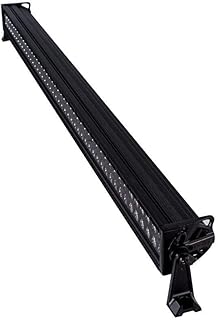


Scalable Lighting Infrastructure: Foundation for Sustainable Growth in Expanding Companies
For growing companies, planning a lighting infrastructure that supports scalability is no longer optional—it’s indispensable. What does it take, then, to lay down a lighting foundation capable of evolving alongside business demands? A key factor lies in recognizing that lighting isn’t merely about illumination; it significantly influences energy efficiency, HVAC loads, and operational continuity.
Traditional lighting setups often fail to account for future expansions, which means expensive retrofits, prolonged downtime, and compromised operational workflows later on. Instead, modular lighting infrastructure offers prefabricated elements like plug-and-play LED fixtures, sensor-integrated zones, and circuit channels thoughtfully reserved from project inception. Such systems are built with adaptability and cost management at their core.
Take the example of tech startups operating flexible data centers: many have adopted lighting systems using low-heat LED fixtures, such as Squarebeam Elite, combined with smart sensor controls to reduce energy waste. These lighting zones correspond precisely with hot and cold aisle arrangements, ensuring that illumination is optimized while minimizing thermal output that could otherwise tax cooling systems. This integration shows how smart lighting goes hand in hand with system integration and future-proofing strategies.
The benefits are compelling. Companies save not just on immediate energy costs but also through maintenance planning that anticipates fixture swaps without rewiring. Systems designed with this foresight achieve lower Total Cost of Ownership (TCO), indispensable for high-growth environments where agility and operational continuity drive success.

Design Principles and Practical Strategies for Future-Proof Lighting Infrastructure
Planning for scalable lighting requires a multi-faceted design approach that anticipates growth, aligns with operational areas, and integrates seamlessly with broader building management systems. Companies must embed key strategies from their earliest planning phases, rather than reacting retroactively to capacity challenges.
Implementing Modular Zones and Smart Controls
Defining precise lighting zones is fundamental to scalability. Zones can include hot aisles where racks generate significant heat, cold aisles with reduced lighting requirements, and maintenance corridors that demand motion-activated lighting with manual override options. By segmenting spaces thoughtfully, organizations achieve optimized energy consumption aligned with real-time usage.
Smart lighting controls have revolutionized this space. Wireless sensor systems that can be swapped or upgraded without interrupting core wiring offer flexible control of illumination levels, occupancy detection, and daylight harvesting. Adopting platforms compatible with digital twins and Building Information Modeling (BIM) allows predictive management of energy efficiency and maintenance schedules.
Reservoir Capacity Planning and Circuitry Best Practices
Another vital consideration is allocating spare circuits—reserving approximately 20% additional lighting capacity per zone ensures new fixtures can be added seamlessly without extensive rewiring. Modular trunking systems replace rigid conduit runs with quick-connect methods for fast upgrades, minimizing operational disruptions.
Physical infrastructure such as cable trays must be dimensioned to accommodate future lines and separated from low-voltage control wiring to maintain system reliability and safety. Effective surge protection and compliance with UL/NFPA standards round out a comprehensive infrastructure plan that anticipates future load increases.
The integration of scalable lighting with core facility systems enhances energy efficiency and supports cost management objectives. Companies looking to deepen their knowledge on scalable lighting controls and business infrastructure can benefit from exploring advanced insights such as those found in how smart lighting controls can future-proof business infrastructure.
Energy Efficiency and Cost Management: Leveraging LED Technology for Growing Businesses
Energy efficiency is a cornerstone when planning the lighting infrastructure of a growing company. LED lighting technology is not only environmentally friendly but offers substantial savings on energy consumption and maintenance costs. Crucially, LEDs produce less heat compared to traditional lighting, alleviating pressure on cooling systems and enhancing overall facility efficiency.
Companies that fail to consider the thermal impact of lighting fixtures often face higher HVAC costs and complex retrofitting. Opting for low-heat LED fixtures such as the Quattro Triproof Batten or SeamLine Batten reduces this risk, ensuring efficient heat balance in critical environments such as data centers or manufacturing zones.
Moreover, sensor-enabled LEDs help realize cost management goals by dynamically controlling lighting based on occupancy or natural light availability. These measures can lead to average energy savings of 30-40% within the first year, a rapid return on investment that supports the scalability narrative.
| Lighting Feature | ROI Period | Notes |
|---|---|---|
| Sensor-Controlled Zones | 12 months | Average 30-40% reduction in energy consumption |
| High-Efficiency LED Fixtures | 18 months | Reduced maintenance and heat output |
| Zoning Control Systems | 24 months | Optimized energy use aligned with workload variation |
To optimize these outcomes, companies should perform rigorous profit margin calculations when evaluating the investment in modular lighting solutions, ensuring that the expenditures align with their expanding operational needs and growth goals.
Maintenance Planning and System Integration: Ensuring Operational Continuity at Scale
Maintenance planning is often undervalued in growing companies, yet it is a critical component of a scalable lighting infrastructure. Choosing lighting systems that support easy fixture swapping, sensor hot-swapping, and modular connectivity reduces downtime considerably during expansions or repairs.
Integrating lighting controls with broader Facility Management Systems (FMS) or Data Center Infrastructure Management (DCIM) platforms enhances proactive maintenance. This real-time monitoring allows businesses to predict failures and schedule interventions before they impact operations, an essential feature for enterprises operating 24/7.
Modular lighting solutions, which include prefabricated branch cable trays and sensor-ready fixtures, simplify upgrades while maintaining compliance with electrical and safety standards. This foresight translates to improved staff safety, reduced unplanned maintenance costs, and greater flexibility to adapt lighting according to evolving workspace configurations.
Lighting Load Spare Capacity Calculator
Calculate necessary spare lighting capacity to support future expansions efficiently.
Common Pitfalls and Best Practices When Planning Lighting for Growth
Despite clear benefits, many companies stumble when planning lighting infrastructure for scalability. Some of the most common missteps include:
- Neglecting lighting zones: Fixing uniform lighting across zones without differentiation leads to wasted energy and higher cooling loads.
- Failing to reserve spare circuits: Without reserved capacity, adding lighting elements often requires expensive rewiring and downtime.
- Ignoring thermal impacts: Using high-heat fixtures increases HVAC costs and can degrade sensitive equipment performance.
- Overlooking sensor integration: Avoiding smart controls limits energy savings and operational flexibility.
- Underestimating maintenance complexity: Rigid installations without modular components increase labor costs and prolong service interruptions.
To counter these issues, best practices encompass early-phase planning that involves:
- Creating detailed zoning maps aligned with operational workflows.
- Allocating 20% spare lighting capacity per zone for future growth.
- Choosing low-heat, sensor-ready LED fixtures designed for modular installation.
- Integrating lighting control interfaces with digital twin and BIM platforms.
- Ensuring physical infrastructure such as cable trays support both power and control lines separately.
Growing companies will find that these proactive steps not only enable a smooth scaling trajectory but also contribute significantly to long-term cost savings and enhanced workplace comfort and safety.
What is modular lighting and why is it important for growing companies?
Modular lighting refers to prefabricated, flexible lighting systems that can be easily expanded or reconfigured. It supports scalability by allowing companies to adapt lighting layouts without disruptive rewiring, saving time and costs.
How does lighting infrastructure planning affect energy efficiency?
Proper lighting planning, including the use of LED technology and sensor-controlled zones, reduces electricity consumption and heat load, which also lowers cooling costs, ultimately improving overall energy efficiency.
Can smart lighting systems integrate with existing facility management platforms?
Yes. Modern smart lighting controls are often compatible with Building Management Systems (BMS) and Data Center Infrastructure Management (DCIM) software, enabling centralized control and monitoring.
What are the key maintenance considerations for scalable lighting?
Selecting modular, sensor-ready fixtures that support hot-swapping and integrating predictive maintenance tools helps minimize downtime and reduces long-term operational costs.
Are there common mistakes companies make when planning lighting for future growth?
Common mistakes include neglecting lighting zoning, failing to reserve circuit capacity, underestimating thermal impacts, and avoiding sensor integration, which can lead to costly retrofits and inefficiencies.