
In commercial spaces, lighting often goes unnoticed until its inadequacies manifest in costly ways. Whether in retail environments, office parks, or industrial complexes, poor lighting quietly incurs a myriad of hidden costs that extend far beyond the electricity bill. From escalating energy consumption and maintenance expenses to safety hazards and diminished employee productivity, the impact of substandard illumination permeates every facet of operations. These effects not only threaten the bottom line but also erode customer experience and brand reputation. As businesses push toward greater efficiency and competitiveness in 2025, understanding and addressing the hidden costs tied to poor lighting has become more critical than ever to safeguard investment and foster thriving commercial environments.
In brief:
- Poor lighting drives up energy consumption and operational costs due to inefficient technologies and extended runtimes.
- Suboptimal illumination results in increased maintenance expenses from frequent lamp replacements and emergency repairs.
- Insufficient or poorly designed lighting creates safety hazards that raise liability risks and legal exposure.
- Inadequate lighting directly reduces employee productivity by contributing to eye strain, fatigue, and decreased focus.
- Bad lighting scores negatively on customer experience and perception, undermining brand image and tenant retention.
- Implementing modern lighting efficiency measures like LED retrofits and smart controls cuts waste and improves financial performance.




The Hidden Impact of Poor Lighting on Energy Consumption and Costs in Commercial Spaces
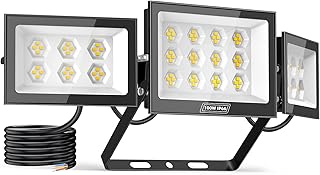
One of the most significant hidden costs of poor lighting in commercial spaces lies in inflated energy consumption. Many commercial properties built or renovated before the widespread adoption of LED technologies still rely on traditional lighting systems such as halogen, fluorescent, or high-pressure sodium lamps. These older fixtures often consume disproportionately high wattage, operating for extended hours to compensate for insufficient illumination levels. As a result, energy bills skyrocket without delivering the visual quality or efficiency required for modern commercial operations.
For instance, a shopping center using outdated metal halide lamps can spend thousands annually on lighting alone—often as much as 10-14 hours per night depending on seasonal factors. In contrast, LED retrofits cut energy use by up to 75% compared to incandescent or halogen lights, and about 50% relative to fluorescent setups. Such energy savings not only translate into lower operational costs but also reduce environmental impact, contributing to sustainability goals increasingly mandated by governments and appreciated by consumers.
Beyond raw electricity savings, inefficient lighting also poses hidden costs through poorly managed lighting controls. Many commercial spaces lack smart controls like timers, motion sensors, or daylight harvesting capabilities. Without these, lights may run unnecessarily during daylight hours or empty spaces, compounding energy waste. LEDs, with their ability to switch on and off instantly and dim seamlessly, complement these controls for even more precise energy management. Incorporating these technologies into commercial spaces today offers immediate, measurable savings.
Moreover, misaligned lighting fixtures cause uneven distribution, requiring brighter overall output to compensate for shadowed zones. This over-illumination further inflates energy consumption. A carefully designed lighting layout eliminates hot spots and dark corners, optimizing energy use without compromising visual comfort. Business owners and property managers keen on budgeting wisely must therefore view lighting as a critical factor influencing their operational expenses.
Effective lighting upgrades do more than just trim utility bills. They contribute to enhancing the commercial environment’s overall efficiency, enabling reinvestment into other business-critical areas. By consulting specialized LED lighting contractors or energy efficiency experts, landlords can achieve a tailored lighting strategy that aligns with their specific property usage and energy goals. For more insights on optimizing workspaces to improve focus and productivity through lighting adjustments, see how light affects employee performance.

How Poor Lighting Design Generates High Maintenance Expenses and Operational Interruptions
Beyond energy costs, poor lighting profoundly impacts maintenance budgets. Commercial spaces equipped with outdated or low-quality lighting systems suffer frequent lamp failures, ballast breakdowns, and fixture malfunctions. High failure rates arise because traditional bulbs have shorter lifespans and are susceptible to damage under continuous high-voltage operation. Each failure often demands emergency response, involving repairing tradespeople and specialized equipment like lifts or scaffolding to access hard-to-reach poles or ceilings.
Recurring maintenance is not just expensive; it disrupts normal business operations. For example, a retail center may lose business due to darkened parking areas or entrances during emergency outages. Facility managers face the dual challenge of balancing quick repairs with protecting tenant experience and safety. Without modern lighting fixtures, cumulative maintenance costs escalate over time, eroding operational reliability and straining budgets unwillingly.
In contrast, contemporary LED fixtures provide durability and extended lifespan, sometimes lasting up to 25 times longer than traditional lamps. This longevity drastically reduces the frequency of replacement and financial outlay for parts and labor. Additionally, LEDs are less prone to sudden burnout and fail more predictably, enabling planned maintenance schedules rather than reactive fixes.
Modern lighting technology also requires less energy to generate comparable or improved illumination levels, producing less heat and easing strain on electrical infrastructure, which minimizes premature fixture wear. Importantly, high-quality lighting solutions come paired with improved optics and weather-resistant materials, critical for outdoor commercial spaces subject to harsher environmental conditions.
Operational predictability rises when lighting maintenance is minimized. Tenants and visitors benefit from reliable illumination, while landlords avoid costly emergency repairs and unexpected expenses. The integration of smart monitoring systems further enhances visibility into lighting health, empowering proactive maintenance approaches.
Thus, the choice to upgrade lighting systems reflects not only a commitment to energy efficiency but also financial prudence that reduces long-term maintenance expenses and ensures smoother daily operations.
Addressing Safety Hazards and Liability Risks Created by Inadequate Lighting
Safety risks due to poor lighting represent one of the most alarming hidden costs for commercial space owners and property managers. Dim or unevenly illuminated parking lots, corridors, stairwells, and building entrances are breeding grounds for accidents and criminal activities. Visible hazards such as potholes, uneven pavement, steps, or curbs become difficult to detect in shadows, resulting in trips, slips, and falls that can lead to serious injuries.
When accidents occur, legal liabilities pile up quickly. Property owners can face lawsuits, increased insurance premiums, and reputational harm if inadequate lighting is deemed negligent. In 2025, courts place significant responsibility on facility operators to ensure premises are safely lit to protect tenants, employees, suppliers, and visitors.
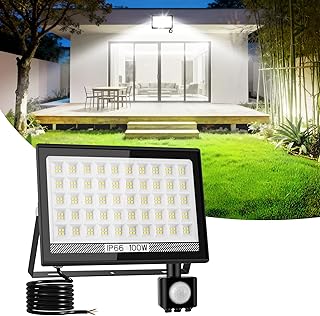
Security concerns escalate without appropriate illumination. Studies consistently demonstrate that well-lit outdoor areas deter vandalism, theft, and violent crime by increasing perceived surveillance and real visibility. For example, enhanced lighting near entrances and parking lots improves tenant and customer confidence, encouraging longer visits and repeat business. Moreover, clear lighting improves the effectiveness of CCTV cameras, which rely on proper brightness and reduced glare for capturing usable footage.
Given these risks, lighting upgrades are more than aesthetic improvements; they are essential safety investments. A comprehensive lighting design approach incorporates fixture positioning, shielding to reduce glare, and uniform coverage to eliminate dangerous shadowy zones. These measures help balance cost with risk mitigation and promote a secure commercial environment.
- Reduced accident rates lower legal and insurance costs.
- Improved visibility enhances security and deters criminal behavior.
- Enhanced occupant confidence boosts tenant retention and customer loyalty.
- Compliance with safety standards protects against regulatory penalties.
For landlords managing multiple properties, prioritizing lighting as a safety asset, not just a utility, safeguards their investment and reputation. This holistic risk management perspective also aligns with modern workplace health and safety strategies, emphasizing proactive hazard prevention through environmental design.



How Poor Lighting Diminishes Customer Experience and Employee Productivity
Lighting quality strongly influences both customer perceptions and employee well-being in commercial spaces. In retail environments, poorly lit storefronts and dark parking areas create an uninviting atmosphere that discourages visits and reduces dwell time. Harsh glare or inconsistent brightness may strain customers’ eyes, detracting from product displays and overall shopping experience. This subtle sensory discomfort can undermine brand loyalty and impact sales over time.
Similarly, in office settings, inadequate lighting contributes to eye fatigue, headaches, and decreased concentration among employees. Prolonged work under dim or flickering lights leads to reduced efficiency and increased errors. Research shows that lighting tuned to support natural circadian rhythms significantly boosts alertness and productivity, underscoring the need for thoughtful lighting design that benefits workforce performance.
Business owners who neglect lighting risk higher absenteeism rates, lower morale, and diminished job satisfaction—all of which translate into tangible financial losses. Enhancing lighting conditions in workplaces is a proven strategy to foster a healthier, more productive work environment. Integrating appropriate task lighting, adjustable fixtures, and natural light can elevate workplace comfort and engagement.
In line with the hidden costs theme, these lost productivity hours and suppressed sales figures represent substantial financial drains. They highlight why property managers and tenants should consider lighting upgrades a critical component of commercial space optimization.
Ultimately, creating a lighting strategy that addresses both customer experience and employee productivity not only enhances satisfaction but also supports broader business goals, from talent retention to customer acquisition. For an in-depth look into maximizing focus and productivity through optimized office lighting, reference this detailed guide: improving workplace lighting.
What Are the Hidden Costs of Poor Lighting in Your Commercial Space?
Compare the impact of Traditional Lighting and LED Lighting across important features below. Use the filters to highlight specific aspects or filter by feature type.
| Feature ⬍ | Traditional Lighting ⬍ | LED Lighting ⬍ |
|---|
Note: Data represents typical characteristics of lighting types in commercial settings.
Design Considerations to Eliminate Hidden Costs from Poor Lighting
Not all lighting deficiencies derive from aging equipment alone; poor design contributes heavily to wasted resources and discomfort. Ineffective fixture placement, incorrect brightness levels, and neglecting glare reduction create a host of problems.
Common issues resulting from poor lighting design include:
- Hard shadows that obscure hazards and create unsafe visual environments.
- Glare that reduces visibility and strains eyes.
- Uneven coverage that leaves dark zones feeling uninviting or unsafe.
- Light trespass that wastes energy and irritates neighboring properties.
- Urban sky glow, contributing to light pollution and energy loss.
Contrary to misconceptions, glare is less about excess light volume and more about improper fixture selection and misaligned beams. Upgrading to shielded LED luminaires and professionally tailored lighting layouts effectively eliminate these issues, creating aesthetically pleasing, energy-efficient, and safe commercial environments.
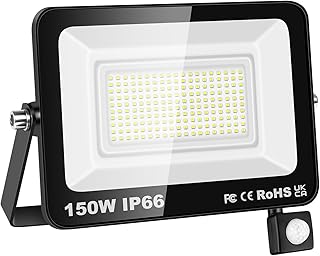
For example, a property manager at a mixed-use commercial park revamped the lighting to replace unshielded floodlights with directional LED fixtures combined with motion sensors. The result was a not only a 60% reduction in energy use but also fewer tenant complaints about glare and enhanced nighttime safety perceptions.
Proper lighting design is a long-term investment that protects building value and supports operational efficiencies, making it indispensable for landlords or commercial real estate owners aiming to maximize returns while minimizing hidden costs tied to poor lighting implementation.




What are the main hidden costs caused by poor lighting in commercial spaces?
Poor lighting leads to increased energy and maintenance expenses, safety liabilities, reduced employee productivity, and negative customer experience, all of which can significantly hurt a business financially and operationally.
How does upgrading to LED lighting reduce operational costs?
LED lighting reduces energy use by up to 75%, lasts significantly longer, and requires less maintenance, resulting in lower overall operational expenditures and improved lighting quality.
Can poor exterior lighting increase legal liability?
Yes, inadequate lighting in parking lots and walkways raises the risk of accidents and crime, leading to potential lawsuits, higher insurance premiums, and damage to reputation.
Does poor lighting affect employee productivity?
Insufficient or harsh lighting contributes to eye strain, fatigue, and lower concentration, which diminish productivity and workplace satisfaction.
What design factors help reduce glare and uneven lighting?
Using directional, shielded fixtures with proper spacing and integrating smart controls can eliminate glare, hard shadows, and light trespass, resulting in more efficient and comfortable lighting.