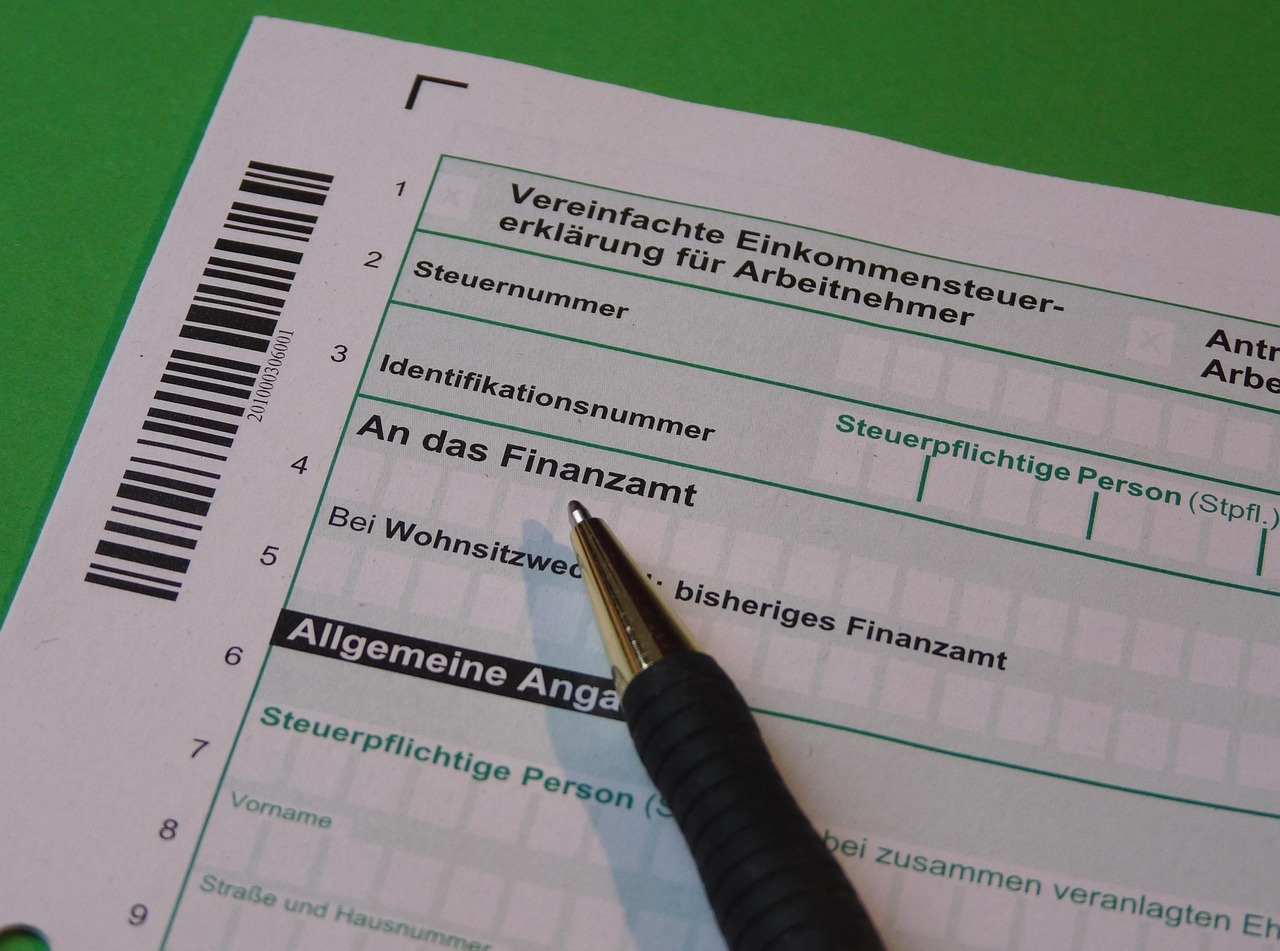
Upgrading commercial lighting systems today offers more than just improved illumination and aesthetic benefits—it comes with a compelling financial advantage driven by a range of tax incentives and energy rebates. As businesses prioritize sustainability and cost efficiency, lighting upgrades emerge as a strategic investment, amplifying cost savings while supporting eco-friendly goals. The evolving landscape of commercial building regulations and government-supported programs has transformed lighting improvements into lucrative opportunities that can significantly offset upfront expenses.
Understanding these incentives means diving deep into the array of offers provided at federal, state, and local levels. From direct rebates to tax credits that reduce taxable income, these programs encourage businesses to prioritize sustainable lighting and energy efficiency. For many commercial property owners, the decision to update lighting systems not only enhances tenant satisfaction and operational performance but also aligns neatly with financial optimization strategies. The below article explores the key tax incentives and rebates available today, demonstrating why investing in lighting upgrades should be at the forefront of commercial energy management plans.

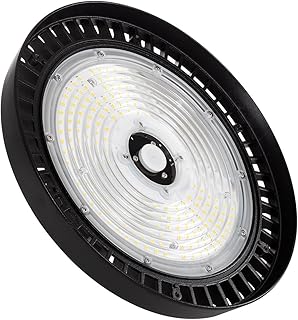
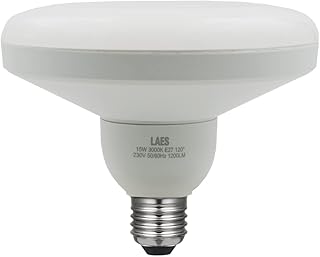
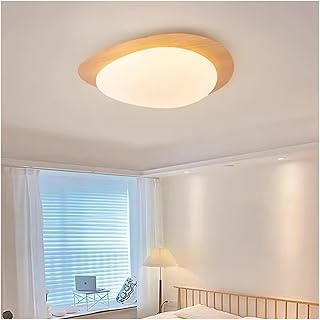


Exploring Federal and State Tax Incentives for Commercial Lighting Upgrades
Among the most impactful financial motivations for upgrading commercial lighting is the variety of tax incentives available through federal and state governments. At the federal level, numerous programs provide significant tax credits specifically designed to promote energy efficiency in commercial buildings. These credits often reduce the tax liability on a dollar-for-dollar basis, directly benefiting businesses that retrofit or replace aging lighting systems with advanced technologies such as LED, OLED, or smart controls.
One notable federal initiative is the Section 179D Commercial Building Energy Efficiency Tax Deduction. This provision allows building owners or designers to deduct up to $1.80 per square foot for installing energy-efficient lighting systems that meet established criteria for performance improvements. It represents a powerful incentive for large commercial properties looking to save on taxes while investing in sustainable lighting solutions.
State governments complement these federal offerings by administering their own incentives that vary widely in structure but similarly prioritize energy savings. For instance, California’s Self-Generation Incentive Program includes rebates that support commercial lighting upgrades contributing to overall energy reduction goals. Similarly, New York’s Energize NY initiative provides attractive incentives for businesses investing in lighting efficiency.
Combining federal and state incentives magnifies the financial benefits and often reduces the payback period for lighting upgrades dramatically. Beyond deductions, several states also offer property tax abatements and sales tax exemptions on energy-efficient equipment, further sweetening the deal. Businesses are advised to consult local utility companies or state energy offices for tailored guidance, as regulations evolve constantly and may offer unexpected savings opportunities.
In summary, leveraging these tax advantages can lead to substantial savings on initial investments, encouraging widespread adoption of commercial lighting technologies that enhance both environmental impact and bottom-line results.

How Energy Rebates Accelerate Commercial Lighting Upgrade Benefits
Energy rebates provided by utilities or government agencies play an essential role in lessening the upfront financial burden of upgrading commercial lighting. Incentivizing businesses to transition to energy-efficient fixtures, these rebates function as direct cash-back offers or discounts on installation costs, accelerating return on investment and project feasibility.
Typically, rebates correspond to the wattage reduction or energy savings achieved by replacing older, inefficient bulbs and fixtures. For example, switching out traditional metal halide or fluorescent lamps for state-of-the-art LED lighting can trigger a rebate proportional to the kilowatt-hours saved annually. This immediate financial reward complements ongoing savings from reduced electricity bills and maintenance costs.
Utility companies maintain rebate programs tailored to their service regions, varying in size and eligibility criteria. Some are available through demand-side management initiatives aiming to reduce peak load and overall energy consumption.
An attractive case is the Commercial Lighting Rebate Program offered by numerous utilities nationwide. These programs not only promote energy-efficient lighting but often integrate controls and sensors—such as occupancy detection or daylight harvesting—to maximize savings and qualify for enhanced rebate tiers. Businesses investing in these comprehensive lighting upgrades can thus multiply their rebates, sometimes covering a significant portion of the project cost.
Additionally, combining rebates with federal tax credits can lead to a powerful financial synergy. While rebates lower initial expenditures, tax credits ensure ongoing fiscal benefits, together creating an optimal environment for smarter, sustainable lighting investments in commercial buildings.
As highlighted in industry analyses such as why to audit commercial lighting systems, timely upgrades coupled with available financial incentives enable businesses to leapfrog into efficient lighting tailored for their operational needs.
Maximizing Cost Savings Through Sustainable Commercial Lighting Technologies
Adopting sustainable lighting solutions encompasses far more than swapping bulbs; it involves integrating intelligent technologies and design principles that optimize energy efficiency across commercial buildings. These green technologies prove pivotal in maximizing savings generated from tax incentives and energy rebates.
Modern lighting systems often employ advanced LEDs with adjustable intensity and color temperature capabilities, enabling environments that support worker well-being and productivity. For instance, circadian lighting technologies have become increasingly relevant, adjusting light spectra to align with natural human rhythms. This strategy not only promotes health but can enhance business performance through reduced absenteeism and higher employee satisfaction, as explained at how circadian lighting boosts revenue.
Additionally, integrating smart controls such as sensors and programmable timers optimizes energy usage by limiting lighting during unoccupied periods or in areas with natural daylight. These enhancements often qualify projects for elevated tax deductions or rebate rates, as they demonstrate measurable reductions in energy consumption.
Important to note is the role of quality design in lighting upgrades, which guarantees efficient coverage that reduces wasted light and excessive heat generation. This approach further drives cost savings by lowering cooling expenses and extending fixture lifespans.
Moreover, sustainable commercial lighting aligns with corporate social responsibility and can enhance property values, attract eco-conscious tenants, and improve market competitiveness. As businesses increasingly target net-zero and green building certifications, the financial incentives for adopting such technologies become integral to their success.
Comparison of Popular Commercial Lighting Incentive Programs in 2026
| Program Name | Type of Incentive | Eligibility | Incentive Value | Key Features |
|---|---|---|---|---|
| Section 179D Tax Deduction | Federal Tax Deduction | Commercial buildings improving lighting efficiency | Up to $1.80/sq.ft. | Energy savings audited and certified |
| Energy Star Lighting Rebate | Utility Rebate | Businesses purchasing Energy Star certified fixtures | Varies by utility; often $0.10–$0.30 per fixture | May include controls and sensors |
| California Self-Generation Incentive Program | Rebate & Tax Incentive | Commercial properties in CA | Up to 50% of installation costs | Supports integrated energy efficiency |
| New York Energize NY | Financial Incentive Package | NY commercial buildings | Varies; includes grants and rebates | Focus on sustainable lighting and energy savings |
| Local Utility Demand-Side Rebates | Utility Rebate | Varies by region | Based on energy savings | Often includes smart control eligibility |
Step-by-Step Guide to Navigating Commercial Lighting Tax Credits and Rebates
Navigating the maze of tax incentives and energy rebates for commercial lighting can appear complex, but understanding key procedural steps simplifies the process. Ahead of any upgrade, businesses should undertake a comprehensive lighting audit—considered a critical first step to quantify existing energy consumption and identify opportunities for improvement. This evaluation aids in selecting suitable fixtures and control systems that qualify for the broadest range of incentives.
Once systems are chosen, it is advisable to document all equipment specifications carefully and retain purchase records, as these are typically required to claim rebates or tax credits. Many rebate programs feature application deadlines and specific submission criteria, so timing and thorough preparation are crucial.
Following installation, professional verification or inspection might be necessary to certify energy savings, particularly for tax deductions such as Section 179D. Engaging with qualified energy assessors or contractors experienced in rebate processes can help navigate paperwork efficiently and ensure compliance.
Additionally, businesses can consult state energy offices or utility providers to stay informed about changing policies or newly launched programs. Early adoption of upgraded lighting technologies often unlocks the best incentives and maximizes financial and environmental returns.
Considering why now is the perfect time for an audit, timely action can lead to immediate gains in both energy reduction and cost management.
Finally, maintaining records and tracking ongoing savings ensures continuous improvement and prepares companies for future upgrades or compliance reporting. Business owners should view lighting upgrades as part of a longer-term energy strategy enhanced by the intelligent use of available financial supports.
Commercial Lighting Tax Savings & Rebates Calculator
Calculate your commercial lighting tax savings and rebates based on energy use, upgrade scope, and local programs
What types of commercial lighting upgrades qualify for tax incentives?
Typically, upgrades that replace inefficient lighting with LED, smart controls, or advanced energy-saving fixtures qualify for most federal and state programs.
Can small businesses also benefit from these tax incentives and rebates?
Yes, many incentives are designed to support businesses of all sizes, including small to medium enterprises aiming to improve their energy efficiency.
How can combining rebates and tax credits maximize savings?
Utilizing both upfront rebates and ongoing tax credits lowers overall project costs and shortens payback periods, making lighting upgrades financially attractive sooner.
Are there any deadlines for applying to these programs?
Most programs have specific application deadlines and may require pre-approval before installation, so planning ahead is essential.
Does installing sustainable lighting impact employee productivity?
Implementing lighting systems like circadian lighting can positively affect employee well-being, reducing absenteeism and enhancing performance, thus adding indirect financial benefits.