
Lighting profoundly influences how people make decisions and maintain focus, shaping cognitive performance and mental clarity in myriad environments. The intricate relationship between lighting conditions and brain function extends from basic visual perception to complex neurological processes governing attention and executive functions. As workplaces and public spaces evolve toward human-centric designs, understanding the science behind lighting’s effect on decision-making and focus becomes crucial for optimizing productivity and wellbeing. This article explores the latest neuroscience findings on how ambient light adjustments guide cognitive performance, how lighting impacts visual perception and sustained attention, and what practical applications these insights yield for improving daily life and business outcomes.


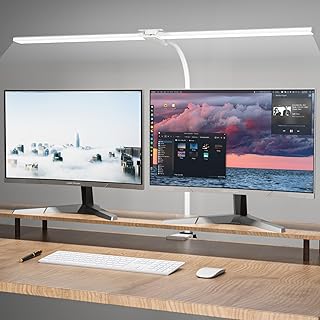

In brief:
- Proper lighting plays a pivotal role in enhancing decision-making abilities and sustaining focus.
- Different light qualities affect brain function and visual perception in distinct ways, influencing cognitive performance.
- Dynamic lighting solutions offer promising benefits for multi-purpose business spaces and work environments.
- Understanding ambient light’s influence on mental clarity can lead to better workplace lighting compliance and reduced errors.
- Ongoing research in neuroscience highlights the critical role of lighting in regulating attention and supporting executive brain functions.
How Ambient Light Shapes Decision-Making and Cognitive Performance
Ambient lighting serves as more than an aesthetic element; it directly influences the brain areas responsible for decision-making and cognitive processing. Research in neuroscience has repeatedly demonstrated that lighting conditions can modulate brain function by affecting circadian rhythms, alertness levels, and mental clarity. For example, exposure to bright, cool-toned light during daytime activates the suprachiasmatic nucleus (SCN), which orchestrates circadian regulation and boosts alertness.
This activation cascade impacts executive functions critical for decision-making, such as working memory, inhibitory control, and cognitive flexibility. Studies using functional MRI highlight how lighting influences regions like the prefrontal cortex, which governs complex judgments and focus. On the contrary, dim or excessively warm light tends to reduce brain arousal, resulting in slower reaction times and less adaptive decision-making.
Evidence from workplace experiments shows employees under well-optimized lighting environments can maintain higher levels of cognitive performance over extended periods, leading to better problem-solving capabilities and fewer mental lapses. For instance, a study published in the Journal of Environmental Psychology revealed that participants exposed to controlled daylight-simulating lighting made 19% fewer errors on decision tasks compared to those in standard fluorescent lighting.
Ultimately, effective ambient lighting acts as a cognitive enhancer by optimizing the balance between alertness and relaxation, enabling sharper focus and more confident choices. This evidence underscores why many businesses today prioritize lighting audits to enhance employee productivity and align their environments with recognized wellbeing standards. More details on why auditing your lighting system is critical can shed light on these benefits.

Visual Perception and Attention: The Role of Lighting in Mental Clarity
At the core of lighting’s influence on cognitive performance lies its effect on visual perception and attention mechanisms. Visual information processing depends heavily on lighting quality; poor or insufficient lighting causes eye strain, disrupts focus, and depletes cognitive resources.
Optimal lighting enhances contrast sensitivity and color accuracy, facilitating quicker and more accurate information intake. In turn, this increases mental clarity, allowing individuals to concentrate longer and with greater precision. Neuroscientific studies reveal that bright light increases the activity of the retina’s intrinsically photosensitive retinal ganglion cells (ipRGCs), which not only aids vision but also regulates attention networks within the brain.
The interplay between lighting and attention span
Attention is a finite cognitive resource, and lighting significantly influences its allocation. Research shows exposure to blue-enriched light boosts sustained attention and alertness, particularly beneficial in tasks requiring prolonged concentration such as analytical problem-solving or complex decision-making. Conversely, lighting environments skewed toward low intensity and warmer hues may foster relaxation but at the expense of vigilance, making them unsuitable for high-demand cognitive tasks.
This dynamic is critical for engineers of built environments aiming to tailor lighting setups according to intended activities. Task lighting, for example, can be employed strategically to illuminate work zones requiring intense focus while ambient lighting maintains general comfort. Such nuanced approaches to illumination have been linked to reductions in workplace errors and liabilities, as detailed in the insights on task lighting’s importance.
Organizations investing in dynamic lighting solutions, which adjust intensity and spectrum depending on the time of day and type of activity, report improvements in employee focus and decision quality throughout the workday. These advances reflect growing recognition that lighting is a fundamental modulator of both visual perception and cognitive control mechanisms.
Exploring Neuroscience Behind Lighting’s Effect on Executive Brain Functions
Understanding the neural underpinnings of lighting’s impact involves delving into how it engages brain networks critical for executive functions like planning, prioritizing, and decision-making. Neuroscience research has identified that exposure to certain wavelengths and intensities of light influences neurotransmitter systems such as dopamine and serotonin, which modulate mood, motivation, and cognitive processing speed.
For example, blue light exposure enhances dopamine release, promoting mental clarity and sustained attention, which are essential during decision-making processes. Conversely, inadequate or poorly timed light exposure may disrupt neurotransmitter balance, leading to cognitive fatigue and suboptimal choices.
Neuroimaging studies illustrate that ambient light interacts with the default mode network (DMN) and frontoparietal control network, brain regions involved in attention switching and cognitive flexibility. These interactions suggest lighting conditions can directly shape how effectively the brain toggles between focused work and broader awareness, impacting how decisions are formed and adjustments are made in real time.
The table below summarizes key brain regions influenced by lighting and their associated cognitive functions:
| Brain Region | Effect of Lighting | Related Cognitive Functions |
|---|---|---|
| Prefrontal Cortex | Activated by bright, cool-toned light | Decision-making, working memory, cognitive flexibility |
| Suprachiasmatic Nucleus | Regulates circadian rhythms via light input | Alertness regulation, sleep-wake cycles |
| Intrinsically Photosensitive Retinal Ganglion Cells | Respond to blue light | Attention modulation, mood regulation |
| Default Mode Network | Affected by ambient light levels | Mind-wandering, self-referential thought |
| Frontoparietal Control Network | Enhanced with appropriate lighting | Attention switching, task management |
These findings highlight the role of lighting as a tangible factor influencing complex neural circuits that determine how well individuals maintain focus and make decisions.
Implementing Dynamic Lighting Solutions to Enhance Business Spaces and Focus
Applying scientific insights from neuroscience and cognitive studies to real-world contexts, dynamic lighting solutions have emerged as a transformative tool for enhancing decision-making and focus in commercial spaces. These systems adjust light intensity, color temperature, and timing to optimize cognitive performance according to environmental and temporal cues.
In multi-purpose business environments ranging from corporate offices to hospitality venues, dynamic lighting tailors visual conditions to fit varying work demands and guest interactions. For example, in a conference room, lighting might shift throughout the day to support brainstorming sessions in the morning with bright, blue-enriched light, then transition to warmer tones during collaboration or relaxation phases.
Such flexibility in ambient light management promotes mental clarity and sustained attention, directly impacting employee productivity and customer satisfaction. As research suggests, dynamic lighting enhances multi-purpose spaces by supporting the ebb and flow of cognitive needs.
Business leaders can leverage this technology for scalability. Thoughtful lighting infrastructure investment can accommodate growing teams and ever-changing spatial requirements without compromising mental clarity or focus. Consultancy on lighting systems aligned with wellbeing principles ensures compliance with industry standards, boosting workplace safety and error reduction.
Integrating dynamic lighting also fosters a healthier environment by aligning artificial illumination with natural circadian rhythms. This synergy reduces fatigue and cognitive decline, contributing to long-term workforce vitality and sound decision-making.
What Does the Science Say About Lighting’s Effect on Decision-Making and Focus?
Select a lighting condition to explore
Lighting conditions influence brain activity, alertness, and cognitive performance. Select any option to discover scientific insights and benefits.
Critical Lighting Mistakes That Undermine Business Performance and Cognitive Function
Despite the overwhelming benefits of proper lighting, many businesses still overlook its critical role, committing common mistakes that hinder decision-making and reduce focus. One prevalent issue is over-reliance on generic fluorescent lighting, which often provides insufficient or uneven illumination, contributing to eye strain and cognitive fatigue.
Another frequent error is ignoring the importance of task lighting, opting instead for uniform ambient light that fails to meet the detailed needs required for complex or precision work. This oversight can increase workplace errors and liability risks, especially in industries demanding high accuracy.
Inadequate adjustment to natural light cycles is yet another problem. Static lighting systems that do not modify according to time of day can disrupt circadian rhythms, causing decreased cognitive performance and impaired attention during essential decision-making periods.
Businesses may also miss opportunities to calculate the true lifetime value of commercial lighting upgrades, overlooking the potential economic and cognitive benefits derived from smarter lighting strategies. Understanding this calculation helps justify investments in quality lighting infrastructure, as seen in practical guidelines around evaluating lighting upgrade returns.
To avoid these pitfalls, companies should:
- Conduct regular lighting audits to assess adequacy and comply with workplace lighting requirements.
- Incorporate task lighting in settings with detailed or hazardous operations.
- Adopt dynamic lighting technologies that respond to ambient and temporal changes.
- Educate stakeholders on the cognitive and productivity benefits of optimized lighting.
- Plan lighting infrastructure with scalability and employee wellbeing in mind.
These practices not only enhance decision-making and focus but also support overall business success and regulatory compliance.
How does blue light specifically affect decision-making?
Blue light stimulates areas of the brain linked to alertness and dopamine release, which enhances mental clarity and cognitive flexibility crucial for effective decision-making.
Can lighting adjustments improve focus in remote work environments?
Yes, adjusting ambient lighting in home offices to mimic natural daylight and incorporating task lighting can significantly boost focus and reduce cognitive fatigue.
Are there any health risks associated with poor lighting affecting cognitive performance?
Poor lighting can lead to eye strain, headaches, disrupted circadian rhythms, and decreased attention, which collectively impair cognitive function and decision quality.
What role does dynamic lighting play in sustaining employee productivity?
Dynamic lighting adapts to changing environmental and temporal demands, optimizing brain function, reducing fatigue, and supporting sustained mental clarity and decision-making throughout the workday.
How important is task lighting for reducing errors in workplaces?
Task lighting focuses illumination on specific work areas, improving visual perception and reducing errors, especially critical in detailed tasks and environments requiring high precision.