In brief:
- Tunable white lighting enhances productivity, health, and well-being across various industries by mimicking natural daylight.
- Commercial buildings benefit from improved occupant satisfaction and reduced absenteeism thanks to smart lighting systems.
- Healthcare environments leverage tunable lighting for patient care, behavioral regulation, and cognitive support.
- Hospitality and retail spaces use dynamic light settings to enhance ambiance, customer experience, and potentially increase sales.
- Offices adopting tunable white lighting report substantial increases in staff alertness, accuracy, and overall happiness.
 90 bandes LED pour cuisine de chambre avec adaptateur secteur 70W">
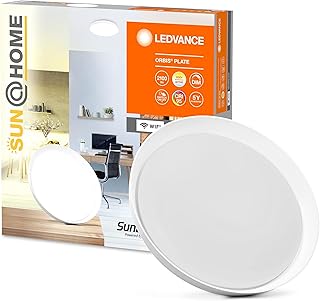
 95, SUN@HOME avec Alexa, google, app contrôlable, Smart+ Planon Frameless Square">

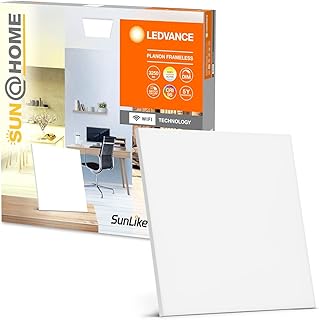 95, applique murale et plafonnier avec Alexa, google, app contrôlable, Frameless Square">

Transforming Commercial Buildings with Tunable White Lighting for Enhanced Occupant Well-being
Commercial buildings have emerged as key beneficiaries of tunable white lighting due to the growing need to promote employee well-being and efficiency. The workplace dynamic has evolved significantly, with recent years bringing heightened focus on how environmental factors, including lighting, affect productivity. Multiple studies show that natural light, when supplemented or replicated by tunable light systems, reduces absenteeism by approximately four days per worker annually, yielding significant cost savings for companies.
However, retrofitting buildings with additional windows or modifying architecture to increase natural light often proves costly or impractical. This is where tunable white lighting systems play a pivotal role, offering an accessible alternative that replicates natural daylight patterns via adjustable color temperatures ranging from warm (~1500K) to cool (~6500K) whites. These systems adapt lighting conditions throughout the day, aligning with human circadian rhythms and fostering a healthier indoor environment.
Innovative collaborations between lighting manufacturers and smart control system providers have delivered solutions that include dynamic lamps, architectural fixtures, and user-friendly wall controls. With programmable schedules and customizable scenes, tunable lighting can be seamlessly integrated across large commercial facilities, providing tailored illumination that enhances mood and focus.
For example, CBRE’s office in Amsterdam implemented a circadian lighting strategy featuring high illuminance and cool white light during morning hours, shifting to warmer, softer hues in the afternoon. The outcome was a remarkable 18% increase in productivity and a 12% improvement in accuracy, alongside enhanced employee satisfaction and health reports. Such data underlines the tangible impact of adaptive lighting on workplace performance and well-being.
For companies looking to improve brand identity and customer experience, controlling the lighting environment has surfaced as an effective lever. Facilities that invest in tunable white lighting not only improve the work environment but also differentiate themselves as forward-thinking and employee-centric, key aspects that influence talent retention and business reputation.
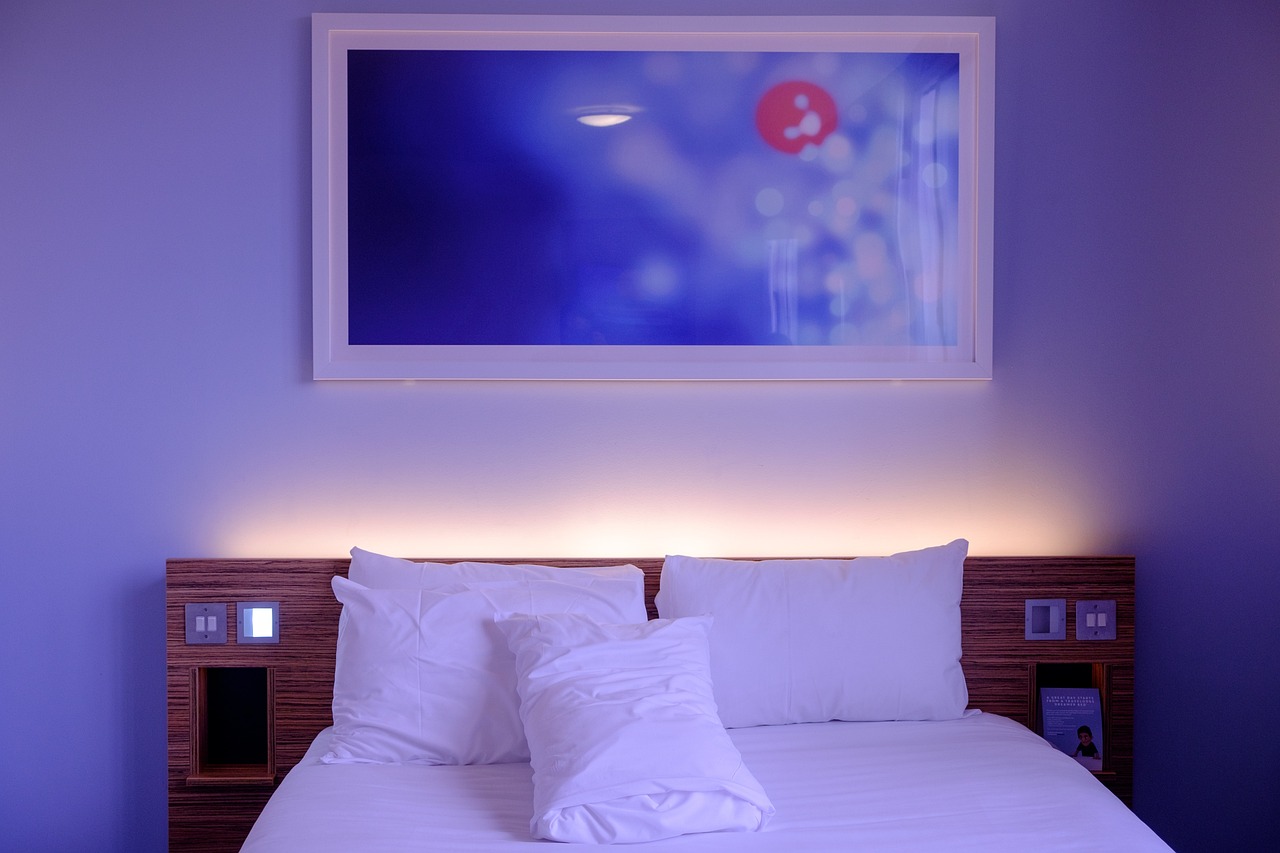
Healthcare: Elevating Patient Care Through Circadian-Aware Tunable Lighting Systems
The healthcare industry stands at the forefront of adopting tunable white lighting due to its profound impact on patient outcomes and staff well-being. Hospitals, nursing homes, and psychiatric facilities benefit from lighting systems that adjust hues and intensities to support patient circadian rhythms and stabilize behavioral patterns.
For patients suffering from dementia or mental health disorders, the ability to regulate lighting that transitions from calming warm whites to stimulating cool whites provides a non-invasive therapeutic aid. This lighting dynamic has been shown to reduce aggressive behavior and foster calmer environments, supporting holistic care approaches.
Moreover, lighting that modulates in alignment with natural daylight cycles assists healthcare staff in maintaining alertness during night shifts and adjusting to irregular schedules. Enhanced circadian lighting is linked with decreased stress and fatigue both for patients and caregivers, contributing to a more attentive and compassionate care setting.
Research demonstrates that strategic circadian lighting can even improve sleep patterns for patients by signaling nighttime and daytime cues effectively, which is critical in recovery and mental health stabilization. Skilled lighting design in operating rooms, recovery wards, and consultation areas not only elevates clinical precision but also influences psychological comfort.
Hospitals increasingly adopt well-defined lighting metrics such as Equivalent Melanopic Lux (EML) and Circadian Stimulus (CS), offering design standards that quantify the biological impact of light exposure. These standards ensure that lighting installations meet the precise needs of occupants, optimizing health outcomes through scientifically validated parameters.
Given these multifaceted benefits, healthcare facilities globally are prioritizing investments in tunable white lighting, recognizing its capacity to transform both patient experience and staff performance significantly.
Enhancing Hospitality and Retail Environments with Dynamic Tunable White Lighting
In hospitality and retail industries, lighting is one of the key tools to shape customer perception, influence mood, and guide behavior. Tunable white lighting systems allow businesses to fine-tune ambience throughout the day, matching light intensity and color temperature to specific service goals and consumer expectations.
Restaurants may optimize breakfast and lunch hours with higher light levels and cooler whites to energize patrons, then switch to softer, warmer lighting during dinner service to promote relaxation and intimacy. This lighting strategy enhances customer dwell time and satisfaction, which can translate directly into increased sales and repeat visits.
Retailers utilize tunable white lighting as part of brand identity efforts, adjusting illumination to highlight products, evoke emotional responses, and create immersive environments. By dynamically altering color temperature, stores can signal new stock arrivals or sale events, making the experience more engaging and appealing.
Strong empirical evidence links such lighting tactics with improved customer experience, supporting the notion that the right lighting positively impacts buying behavior. Notably, businesses that prioritize tuned illumination report heightened customer attraction and extended store visits.
Moreover, hospitality venues such as hotels and lounges integrate tunable white light to cater to guest preferences and circadian needs, fostering well-being during different times of day. Properly designed lighting can reduce fatigue from travel, ease transitions between time zones, and make spaces more inviting and comfortable.
Investing in tunable white lighting systems aligns with the hospitality industry’s broader trend toward personalized and health-conscious guest experiences, reinforcing competitive advantage and customer loyalty in a dynamic market.
Office Spaces: Boosting Employee Health and Productivity through Tunable Lighting Solutions
Office environments are rapidly evolving as companies recognize the importance of human-centric design to foster creativity, concentration, and overall satisfaction. Tunable white lighting has become a central element in achieving these goals by simulating natural light patterns and supporting circadian rhythms indoors.
Internally, employees report dissatisfaction with conventional office lighting that remains static throughout the day. A study by the American Society of Interior Designers indicated that 68% of office workers were unhappy with their lighting conditions. Implementing tunable lighting offers an adaptive environment where workers can experience brighter and bluer hues in the morning to boost alertness and transition to warmer tones in the afternoon to facilitate relaxation and mental breaks.
Beyond subjective well-being, objective metrics reflect significant gains. For instance, firms utilizing circadian lighting systems have documented increases of 18% in productivity and 12% in task accuracy. Additionally, 76% of staff felt happier and 71% experienced more energy, indicating extensive benefits that contribute to reduced absenteeism and overall health improvements.
Smart control systems with app-enabled interfaces simplify managing lighting schedules, allowing building owners to tailor illumination profiles for different meeting rooms, open work areas, and individual offices. These capabilities empower design professionals and facility managers to implement effective, scalable lighting strategies suited to the diverse needs of modern workplaces.
As remote work evolves, firms invest in tunable lighting solutions to attract employees back to offices by offering environments that prioritize physical and mental well-being. Enhanced lighting conditions align with broader initiatives in air quality and ergonomic furniture design, further cementing an integrated approach to workplace wellness.
Industries Benefiting from Tunable White Lighting Systems
This interactive comparison table highlights the key benefits, applications, and outcomes of tunable white lighting across various industries.
| Industry | Primary Benefit | Tunable Lighting Application | Key Outcomes |
|---|
No matching records found.
Regulatory Standards and Design Considerations for Implementing Tunable White Lighting in Various Industries
As tunable white lighting gains momentum in diverse sectors, understanding the regulatory and design frameworks becomes paramount for successful deployment. Two leading standards currently guide circadian lighting design: the UL Lighting Research Center (LRC) Circadian Stimulus model and the WELL Building Standard’s Equivalent Melanopic Lux (EML) metric.
The LRC’s Circadian Stimulus offers lighting professionals a practical tool to quantify light’s biological effectiveness based on vertical illumination and spectral qualities. This metric enables design teams to optimize lighting installations to maximize health benefits while ensuring visual comfort.
On the other hand, the WELL Building Standard extends beyond measurement to offer certification that recognizes buildings committed to enhancing occupant well-being through circadian lighting and other health-forward measures. This certification parallels sustainability ratings like LEED but focuses on human health impacts.
Regarding implementation, designers and building managers must balance technical constraints with occupant needs. Although tunable systems were once prohibitively expensive and complex, advancements now offer affordable, wireless, and easily programmable solutions that integrate with existing infrastructure.
In practice, lighting selections often address issues such as luminosity levels appropriate for different times, smooth color temperature transitions, and user control accessibility. These parameters are crucial for industries like healthcare and offices, where lighting influences both mood and performance.
In addition to health and productivity benefits, tunable white lighting contributes to energy savings, often reducing consumption by 50-75% compared to older lighting technologies. This efficiency aligns with sustainability goals and operational cost reductions, making it a compelling option for modern facilities.
By adhering to evolving standards and leveraging smart controls, industries can harness the full benefits of tunable white lighting systems, creating environments that optimize human physiology, enhance brand identity, and foster long-term organizational success.
For companies curious about the ways circadian lighting systems boost revenue and cut absenteeism, and those interested in the role of lighting in brand identity and customer experience, tunable white lighting represents a pivotal technology transforming commercial and public service spaces.
What are the primary benefits of tunable white lighting across industries?
Tunable white lighting improves occupant health, aligns circadian rhythms, increases productivity, reduces absenteeism, and enhances overall well-being in workplaces, healthcare, hospitality, and retail sectors.
How does tunable white lighting impact employee productivity in offices?
By mimicking natural daylight patterns, tunable white lighting boosts alertness, cognitive function, and mood, leading to up to 18% greater productivity and improved task accuracy.
Can tunable white lighting affect patient behavior and recovery in healthcare?
Yes, circadian-tuned lighting supports sleep regulation, reduces aggressive behaviors, and improves mental health outcomes in medical settings.
What design standards guide circadian lighting implementation?
The UL Lighting Research Center’s Circadian Stimulus metric and the WELL Building Standard’s Equivalent Melanopic Lux are key frameworks for designing effective tunable white lighting systems.
How does tunable white lighting contribute to energy efficiency?
These systems often reduce energy consumption by 50-75% compared to traditional lighting, supporting sustainability and cost-saving goals.