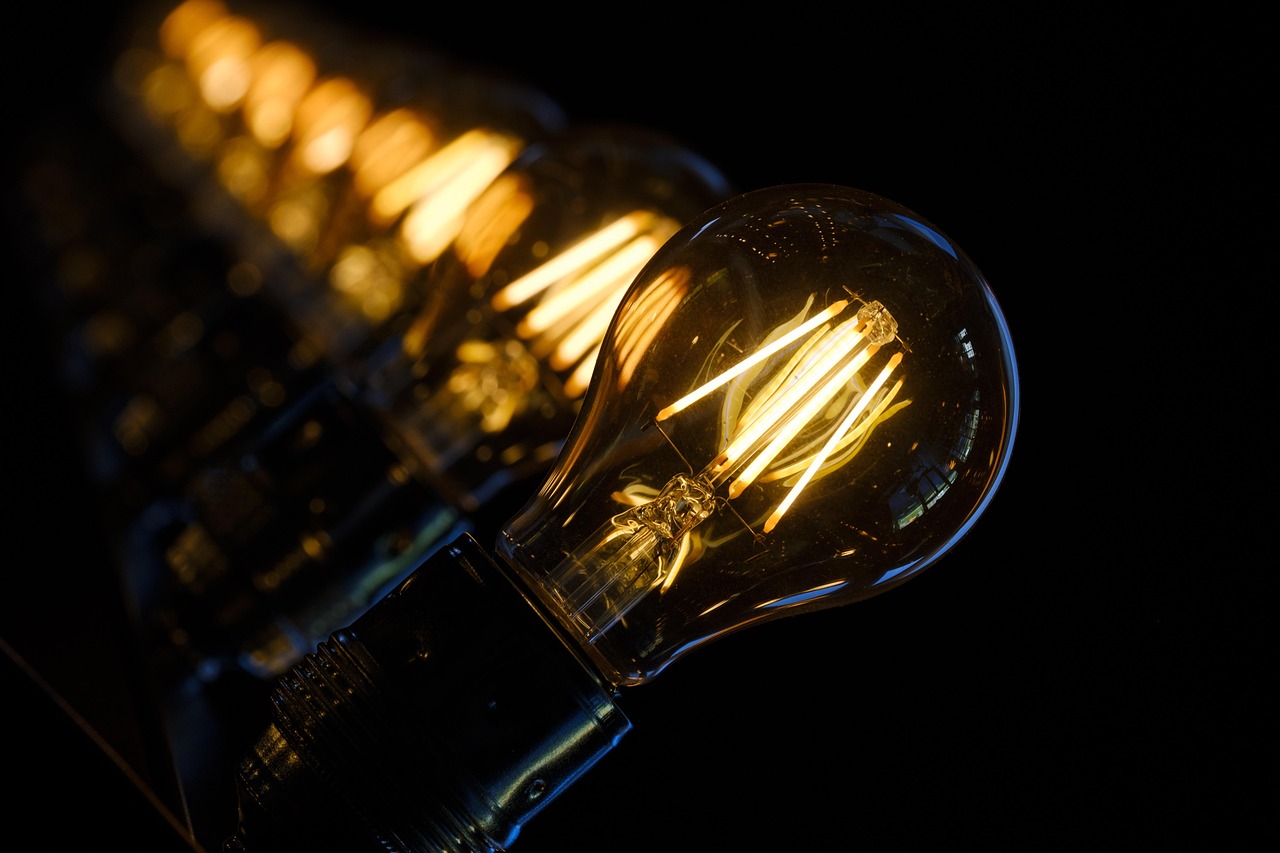
In the evolving corporate world of 2025, forward-thinking companies are increasingly recognizing the profound influence of human-centric lighting on workplace environments. This innovative lighting technology is revolutionizing how businesses approach employee well-being and workplace productivity by aligning ambient lighting with human circadian rhythms. As organizations seek to enhance health and wellness within their workspaces, they are investing in lighting solutions that do more than merely illuminate—they actively support natural biological patterns and boost energy efficiency, creating healthier, more productive environments.
Human-centric lighting is becoming a strategic asset, influencing not just individual comfort but corporate culture and financial outcomes. With a wealth of research supporting its benefits, this approach is proving essential for companies that aim to lead in innovation and competitive differentiation. As this technology becomes increasingly accessible, the transition toward human-centric lighting reflects a broader shift toward integrating science-based design into workplace ecosystems.
Amazon’s curated selection of advanced lighting solutions allows businesses to explore options tailored for energy efficiency and customizable ambient lighting, perfect for fostering an environment conducive to health and wellness. Below, you will find recommended products designed to support these goals seamlessly within modern workspaces.
Understanding Human-Centric Lighting: The Science Behind Innovative Lighting Solutions
Human-centric lighting fundamentally redefines the purpose and design of workplace illumination. Unlike traditional lighting that focuses solely on visibility, human-centric lighting integrates principles of the circadian rhythm — the internal clock regulating sleep, mood, and energy. By replicating the natural progression of daylight through variations in color temperature and brightness, it supports the physiological needs of employees, thereby enhancing comfort and productivity.
Lighting technology designed to mimic sunrise-to-sunset cycles adjusts dynamically throughout the day, offering cooler, brighter light during peak focus hours and warmer, dimmer tones toward the evening to promote relaxation. For example, many modern office buildings are now equipped with LED systems capable of this adaptive tuning, enabling businesses to tailor their lighting environments based on time of day and specific task requirements.
This approach does not only improve individual performance but significantly contributes to overall workplace morale. The alignment of lighting with circadian rhythm reduces eye strain and mental fatigue, creating a more welcoming atmosphere that prolongs employee engagement and satisfaction during long workdays. Forward-thinking companies are investing in these systems because they understand that employee well-being coupled with optimized environmental design is a formula for sustained organizational success.
Notably, the benefits of human-centric lighting extend beyond human productivity. Energy efficiency is another crucial advantage, as adaptive lighting systems typically use less power by automatically adjusting levels based on natural daylight availability. This dual benefit — supporting health while reducing operational costs — makes human-centric lighting a compelling solution under ESG (Environmental, Social, Governance) frameworks that many modern investors increasingly prioritize.

The Role of Circadian Rhythm in Work Performance
The biological clock, or circadian rhythm, governs many aspects of our health and behavior, notably sleep-wake cycles and hormone release. When workplace lighting aligns with these natural rhythms, employees experience improved alertness and mood stabilization throughout the day.
For instance, research shows that exposure to cooler, blue-enriched light in the morning suppresses melatonin release, increasing alertness and cognitive function—key for early morning meetings or high-focus tasks. Conversely, warmer light in the late afternoon helps prepare the body for rest, reducing evening work stress and preventing burnout. This nuanced control of light quality improves not only immediate work performance but also overall health outcomes, reducing absenteeism and boosting long-term productivity.
How Forward-Thinking Companies Leverage Human-Centric Lighting to Enhance Employee Well-Being
Employee well-being is at the core of successful companies today. Human-centric lighting elevates this priority by creating environments that nurture physical and mental health. With workplaces becoming hubs for creativity and collaboration, lighting that supports mood regulation and visual comfort is indispensable.
Companies like Illinois Lighting help organizations adopt these innovative lighting solutions, offering systems that automatically adjust brightness and color temperature to create an ambiance that suits human biological needs. Such lighting systems combat fatigue and visual discomfort, minimizing the cognitive load on workers and enhancing overall job satisfaction.
Importantly, integrating human-centric lighting into offices is part of a broader initiative to embed wellness into the corporate culture. Forward-thinking leaders recognize that improved health directly translates to higher productivity. Statistics corroborate this: businesses implementing these lighting strategies report more vibrant workplaces, lower turnover-rates, and heightened employee engagement.
Furthermore, these advancements are often part of extensive wellness programs that complement other elements such as ergonomic furniture and flexible work arrangements. This holistic approach not only supports employee well-being but signals a company’s commitment to its workforce as a competitive advantage.
Specific Benefits to Employee Health and Comfort
- Improved focus and alertness: Human-centric lighting boosts mental clarity during demanding tasks with cool, bright light.
- Reduction of eye strain: Balanced illumination minimizes glare and visual fatigue, vital for long hours in front of screens.
- Enhanced mood and comfort: Ambient lighting that simulates daylight increases serotonin, improves mood, and supports positive workplace culture.
- Better sleep patterns: Aligning lighting with circadian rhythms helps regulate sleep cycles, contributing to overall health.
Maximizing Workplace Productivity through Advanced Lighting Technology
Lighting has a direct and profound impact on employee productivity. Forward-thinking companies are capitalizing on human-centric lighting’s capacity to foster deeper concentration, reduce errors, and sustain energy levels throughout the day, particularly in demanding environments.
By tailoring light intensity and spectrum, businesses create workspaces that dynamically respond to the natural ebbs and flows of human energy. This advanced lighting technology reduces the afternoon slump common in traditional office setups, maintaining high levels of cognitive performance even during extended periods.
Moreover, innovative lighting solutions improve the customer experience in retail and service industries, reinforcing the important connection between environment and satisfaction. A well-lit atmosphere attuned to human rhythm contributes to longer visits, increased engagement, and ultimately better business outcomes.
In addition, implementing human-centric lighting reflects a commitment to energy efficiency. Adaptive systems reduce energy consumption by calibrating light output to available daylight and usage patterns. This not only lowers environmental impact but also trims operational expenses, a winning proposition for budget-conscious organizations.
For those interested in time optimization and productivity, resources such as time management productivity insights offer valuable strategies aligned with the benefits human-centric lighting supports. Integrating these approaches amplifies corporate performance.
Examples of Productivity Improvements Through Lighting
| Lighting Feature | Benefit to Productivity | Industry Application |
|---|---|---|
| Dynamic Color Temperature | Maintains alertness and reduces fatigue | Offices, Healthcare |
| Adaptive Brightness Levels | Optimizes visibility without causing glare | Retail, Manufacturing |
| Daylight Simulation | Enhances mood and aligns with natural rhythms | Education, Corporate Spaces |
| Energy Efficiency Controls | Reduces costs and environmental impact | All industries |
Human-Centric Lighting Simulator
Adjust color temperature and brightness to simulate circadian rhythm lighting effects in different workplace environments.
Simulated Lighting Preview
This simulator helps you understand the impact of lighting temperature and brightness on human circadian rhythms in the workplace.
Implementing Human-Centric Lighting in Diverse Business Settings for Maximum Impact
The versatility of human-centric lighting allows its application across a multitude of industries, each benefiting uniquely from this innovative approach. Offices enhance employee concentration and well-being; healthcare facilities improve patient recovery and staff alertness; retail spaces create inviting atmospheres that boost customer engagement; educational institutions support cognitive performance and learning comfort.
For example, in healthcare, lighting that aligns with biological rhythms can regulate patient sleep cycles, reducing hospital stay durations. In retail, adaptive lighting creates aesthetically pleasing environments that invite shoppers to spend more time engaged, positively impacting sales and brand loyalty.
Companies moving toward sustainable and responsible workplace design integrate human-centric lighting as part of their ESG strategies. This alignment demonstrates environmental responsibility while fostering human health, compliance with regulations, and transparent governance frameworks.
Implementing these solutions requires collaboration between lighting experts, facility managers, and HR leaders to ensure the technology supports corporate goals and enhances human experience. Forward-thinking companies approach this integration as a long-term investment in both their people and operational excellence.
Key Industries Benefiting from Human-Centric Lighting
- Corporate Offices: Increases focus and reduces stress for high-performing teams.
- Healthcare Facilities: Supports patient recovery and maintains staff alertness.
- Retail Environments: Boosts customer experience and sales through appealing lighting.
- Educational Institutions: Enhances student concentration and comfort.
- Manufacturing and Warehousing: Improves safety and operational efficiency by maintaining alertness.
Why Forward-Thinking Companies Choose Illinois Lighting for Human-Centric Solutions
Illinois Lighting stands out as a leader in providing state-of-the-art human-centric lighting solutions tailored for modern business environments. Their expertise lies in designing systems that balance ambient lighting aesthetics with energy efficiency while fostering employee well-being.
Collaborating closely with clients, Illinois Lighting delivers customizable LED systems featuring dynamic tuning and seamless building integration. These solutions empower companies to create workspaces that support health, boost morale, and enhance overall productivity.
Choosing Illinois Lighting means investing in a future-oriented lighting strategy aligned with contemporary corporate priorities such as sustainability and ethical leadership. The company’s high standards and innovative approach have earned trust as a partner that helps businesses realize the profound impact of lighting on people and performance.
What is human-centric lighting and how does it work?
Human-centric lighting is a system designed to mimic natural daylight patterns by adjusting color temperature and brightness throughout the day to support human circadian rhythms, which enhances health, mood, and productivity.
How can human-centric lighting improve employee productivity?
By reducing eye strain, regulating alertness, and improving mood, human-centric lighting helps employees maintain focus and energy, leading to higher workplace productivity.
Is human-centric lighting energy-efficient?
Yes, adaptive lighting systems optimize light output based on time of day and natural light levels, significantly reducing energy consumption compared to conventional lighting.
Which industries benefit most from human-centric lighting?
Corporate offices, healthcare, retail, education, and manufacturing are among the sectors that see significant gains in employee well-being and operational efficiency from human-centric lighting.
How should companies implement human-centric lighting?
Successful implementation requires collaboration between lighting experts, HR, and facility management to align the technology with workplace needs and corporate goals.