
In today’s fast-paced corporate world, workplace errors not only hamper productivity but also elevate the risks of liability that companies must judiciously manage. One of the often-overlooked yet critical factors contributing to error prevention and risk management is task lighting. Properly designed lighting systems tailored specifically for work tasks can dramatically improve visual clarity, reducing mistakes and fostering a safer working environment. As businesses continue to adapt to evolving occupational health standards and integrate smart technologies, task lighting stands out as a fundamental element that supports employee productivity while enhancing workplace safety.
Task lighting goes beyond mere illumination; it directly influences employees’ focus, comfort, and cognitive function. When employees operate under adequate lighting conditions, they experience less eyestrain and fatigue, which translates to fewer errors in measurements, calculations, or manual operations. Highlighting the importance of lighting design in daily workflows, organizations gain the advantage of reducing workplace errors that carry significant financial and legal consequences. Moreover, by investing in ergonomic task lighting solutions, companies take proactive steps in liability reduction that contribute to their overall risk management strategy.
As we explore how task lighting underpins error prevention and liability reduction, this article delves into the multifaceted benefits of tailored illumination, ergonomic practices, and advanced lighting technologies. Through detailed analysis, real-world examples, and actionable insights, readers will understand why prioritizing task lighting is indispensable in creating safer and more efficient workplaces in 2026 and beyond.


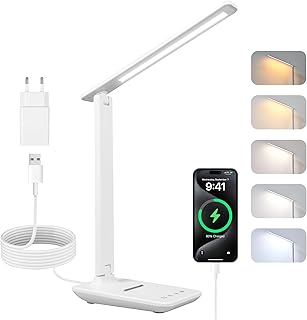
The Critical Interaction Between Task Lighting and Workplace Safety
Task lighting significantly influences workplace safety by enhancing the visibility of potential hazards and decreasing the likelihood of accidents. Consider industrial environments such as manufacturing plants or warehouses, where precision and agility are paramount. Insufficient lighting in these settings can obscure potential dangers like exposed wires, uneven flooring, or dangerous machinery parts, increasing the possibility of slips, trips, and falls.
Proper task lighting counteracts these risks by providing focused illumination on specific work areas, allowing employees to identify hazards swiftly and accurately. For instance, adjustable LED task lamps positioned over inspection stations improve the ability to detect defects in products, thus preventing errors that could lead to costly recalls or injuries.
Lighting ergonomics come into play by minimizing glare and shadows, which are common contributors to visual discomfort and distractions in high-risk environments. Glare caused by overly bright or misdirected light can momentarily blind workers or cause rapid eye movement, increasing error rates. Shadows, meanwhile, can conceal hazards or make it difficult to read instruments and controls accurately. By using lighting designed with ergonomic principles, facilities can reduce these harmful effects, further mitigating liability concerns.
Many companies today conduct comprehensive lighting audits to identify areas where lighting design fails to support safety needs. They often partner with lighting experts to upgrade outdated fixtures and adopt solutions such as motion-activated task lights and emergency illumination systems. Such measures ensure consistent visual clarity during power fluctuations or emergency scenarios, which play a crucial role in accident prevention and minimizing legal exposure.
Exploring facilities management further, one can learn how well-building standards and lighting design contribute to healthier and safer workplaces. This knowledge underscores the strategic importance of task lighting not just for compliance, but as an essential workplace safety tool that directly impacts operational risk.

How Task Lighting Enhances Focus and Reduces Workplace Errors
One of the fundamental benefits of task lighting is the enhancement of employee productivity through improved focus and reduced mistakes. In tasks demanding detailed attention, such as data entry, technical drawing, or assembly line activities, the difference between sufficient and insufficient lighting can dramatically influence outcomes.
Bright, adjustable task lighting improves visual acuity and reduces cognitive load by minimizing the need to strain the eyes or repeatedly adjust postures to see better. Studies show that workers operating in environments with optimal task lighting report fewer errors and complete tasks more efficiently. For example, medical labs where technicians rely on precise color distinctions and visual cues benefit enormously from targeted lighting that ensures accuracy in sample analysis.
Creating a dynamic lighting environment that adjusts to the task at hand is also an effective way to sustain mental sharpness throughout the workday. Many modern workplaces are integrating circadian lighting systems that alter color temperature and intensity to mimic natural daylight patterns, thus boosting alertness during morning shifts and promoting relaxation towards the day’s end. This approach reduces fatigue and supports continuous attention, thereby reducing the frequency of workplace errors.
Integrating smart lighting controls enhances this further by enabling employees to customize their illumination levels based on individual needs or specific tasks. Light dimmers, color temperature adjustments, and motion sensors all contribute to maintaining the ideal balance of light, fostering an environment that helps decrease distractions and oversight.
In office environments, where screens can produce glare and eye discomfort, task lighting can strategically enhance contrast and reduce reflections, leading to fewer visual disturbances and improved task accuracy. Investing in quality task lighting is linked to higher engagement and overall job satisfaction, which aligns with findings on how lighting affects employee engagement.
Table: Comparison of Workplace Error Rates With and Without Adequate Task Lighting
| Workplace Type | Error Rate With Poor Lighting (%) | Error Rate With Proper Task Lighting (%) | Error Reduction (%) |
|---|---|---|---|
| Manufacturing | 23 | 8 | 65 |
| Medical Laboratories | 16 | 5 | 69 |
| Office Environments | 14 | 4 | 71 |
| Warehousing | 20 | 7 | 65 |
Ergonomic Task Lighting as a Tool for Liability Reduction
Liability reduction in the workplace involves mitigating risks that could lead to employee injury, legal claims, or regulatory non-compliance. Ergonomic task lighting is uniquely positioned to contribute to these efforts by addressing key safety and health concerns.
Poorly lit workstations are a frequent source of occupational health problems such as chronic eyestrain, headaches, and musculoskeletal troubles resulting from awkward postures adopted to compensate for inadequate lighting. These issues often translate into increased workers’ compensation claims and potential legal exposure for employers.
Implementing ergonomic lighting means installing fixtures that deliver the right amount of light directly where needed, with minimal glare and shadow. This thoughtful lighting design encourages safe and comfortable body positioning, reducing the risk of repetitive strain injuries. Workers benefit from better visual comfort and can perform their tasks efficiently without compromise to their health.
Risk management specialists increasingly recommend regular lighting assessments and upgrades as part of comprehensive workplace safety programs. Common hazards like flickering lights or poorly maintained fixtures can elevate accident risks and liability. Through periodic maintenance and adoption of modern, energy-efficient LED systems with tunable white lighting, companies can sustain optimal lighting environments aligned with human circadian rhythms, thereby optimizing well-being and reducing absenteeism. For detailed insights on these advancements, refer to how human-centric lighting solutions benefit workplaces.
Additional measures include the installation of emergency lighting for power outages and clearly lit evacuation routes, which are critical components of liability reduction strategies. Strategic task lighting also enhances visibility in areas where hazardous equipment or electrical systems are present, improving overall safety compliance.
Task Lighting’s Role in Promoting Occupational Health and Long-Term Productivity
Optimized task lighting contributes not only to immediate error reduction but also to sustained occupational health and productivity. Prolonged exposure to inadequate or harsh lighting conditions can lead to vision deterioration, chronic headaches, and reduced cognitive performance, all of which undermine workplace efficiency and increase liability risks.
Ergonomic lighting solutions, including dimmable and color-adjustable task lights, empower employees to personalize their work environment according to their comfort and task requirements. This individualized control is vital for maintaining alertness and reducing fatigue, directly correlating with fewer errors and higher productivity.
The impact of better lighting on workplace well-being extends to mental health. Lighting conditions that simulate natural light help regulate employees’ circadian rhythms, mitigating symptoms of seasonal affective disorder and promoting a positive mood. This, in turn, supports sustained motivation and engagement, which are foundational to performance and error prevention.
Understanding the economic benefits of investing in quality task lighting is fundamental. Reduced error rates lead to fewer costly mistakes, while improved health reduces absenteeism and healthcare expenses. Organizations that prioritize lighting as part of their environmental strategy experience a better return on investment, as outlined in case studies featured at returns on lighting improvements.
Why Is Task Lighting Critical for Reducing Workplace Errors and Liability?
Explore how task lighting improves productivity, safety, and well-being in the workplace. Interact below to discover statistics and key facts!
Productivity
Safety
Well-Being
Data sources and statistics adapt based on free public APIs and literature.


Lighting Design Innovations for Next-Generation Error Prevention and Risk Management
The future of workplace lighting heavily favors the integration of smart technologies and tailored lighting design to anticipate and address workers’ needs dynamically. Advancements such as motion-sensing task lighting, tunable white light systems, and integration with building management systems optimize illumination in real time, advancing both error prevention and liability reduction.
Smart lighting controls reduce energy consumption and enable facilities to adapt lighting based on occupancy and task requirements automatically. For example, in manufacturing, robotic assembly lines equipped with smart task lighting can adjust illumination instantly, preventing worker fatigue and improving accuracy—a direct contributor to fewer workplace errors.
Moreover, lighting that harmonizes with human circadian rhythms fosters alertness during daytime hours and encourages restfulness in off-shifts, a factor linked to improved employee health and reduced absenteeism. These user-centric lighting solutions represent a strategic investment for companies intent on future-proofing their workplace safety and maximizing human capital.
Technical managers aiming to implement such systems can also explore smart lighting controls that extend beyond lighting to integrate security and environmental monitoring, making infrastructure safer and more efficient overall. Learn more about these solutions at smart lighting control systems for businesses.
Video: This detailed visual demonstration highlights how tailored task lighting enhances safety in demanding work environments, illustrating practical applications of ergonomic lighting design.
Video: Industry experts discuss how innovative lighting solutions reduce workplace errors and support employee productivity in various sectors.
Key Advantages of Advanced Task Lighting Systems
- Reduced visual errors: precision lighting sharpens detail visibility.
- Lowered risk of accidents: better hazard illumination.
- Flexible customization: lighting adapts to individual needs and tasks.
- Energy efficiency: smart LEDs cut operational costs.
- Improved employee well-being: lighting supports health and morale.
How does task lighting help reduce workplace errors?
Task lighting provides focused illumination that enhances visual clarity, reducing eyestrain and improving concentration, which leads to fewer mistakes especially in detailed or precision tasks.
What role does ergonomic lighting play in liability reduction?
Ergonomic lighting minimizes risks such as glare and shadows that can cause accidents or health problems, helping employers meet safety standards and reduce legal exposure.
Can smart lighting technology improve task lighting effectiveness?
Yes, smart lighting systems with features like adjustable brightness, color temperature, and motion sensors help optimize lighting conditions dynamically, enhancing safety and productivity.
Why is proper lighting important for occupational health?
Good lighting reduces eye fatigue and helps maintain circadian rhythms, which supports mental health, decreases absenteeism, and boosts long-term productivity.
What industries benefit most from advanced task lighting solutions?
Industries with precision tasks such as healthcare, manufacturing, laboratories, and offices gain significant advantages from tailored task lighting that improves accuracy and safety.