In modern healthcare environments, lighting transcends its traditional role of mere illumination to become an essential component influencing patient recovery, staff performance, and overall hospital environment quality. As healthcare facilities continue to evolve in 2026, integrating advanced healthcare lighting technologies and lighting design principles proves crucial in fostering therapeutic settings that accelerate patient outcomes. By harnessing the power of natural and artificial light, optimizing circadian rhythms through circadian lighting, and ensuring energy efficiency, hospitals and clinical settings can enhance patient well-being, reduce recovery times, and bolster staff efficiency.
Key Points on Improving Patient Outcomes Through Lighting:
- Enhancing circadian rhythm regulation through tailored lighting boosts patient recovery and mood stabilization.
- Lighting design that balances function and ambiance reduces stress and anxiety, creating more welcoming hospital environments.
- Advanced LED and dynamic lighting systems improve energy efficiency and allow adaptive control, directly impacting staff performance and patient comfort.
- Integration of natural light and light therapy supports physiological health, influencing sleep-wake cycles and reducing dependence on medication.
- Smart and tunable lighting solutions tailored to clinical settings can reduce medical errors and improve task precision.
Transforming Patient Recovery Through Circadian Rhythm-Focused Healthcare Lighting
One of the most influential factors in enhancing patient outcomes today is the strategic application of healthcare lighting designed to support natural circadian rhythms. Patients exposed to lighting that mimics natural daylight cycles experience marked improvements in mood, sleep quality, and overall healing rates. Circadian lighting systems dynamically adjust light intensity and color temperature throughout the day, supporting the patient’s internal biological clock. This adjustment helps regulate the release of melatonin and serotonin, hormones essential to maintaining a healthy sleep-wake cycle and emotional balance.
For example, surgical recovery rooms outfitted with tunable LED lights can shift from cool, stimulating light in the morning to warmer, calming hues in the evening. This approach decreases patient anxiety and the requirement for pain medication, contributing to shorter hospital stays. In intensive care units, where patients are highly vulnerable to stress and disorientation, circadian lighting helps reduce delirium by minimizing harsh artificial lighting during night hours.
Research published over the past decade has repeatedly confirmed that manipulation of lighting to support these biological rhythms leads to tangible enhancements in patient outcomes. Beyond physical healing, such lighting designs also address mental health conditions such as Seasonal Affective Disorder (SAD), depression, and anxiety common in hospital settings.
Healthcare facilities aiming to optimize lighting for circadian support can explore interactive controls, allowing patients or staff to adjust lighting levels and color temperatures depending on individual needs or specific care requirements. Facilities may also utilize data from recent studies as referenced in this source about circadian lighting boosting healthcare outcomes to future-proof their lighting infrastructures while enhancing patient-centric care.
Enhancing Hospital Environment and Staff Performance Through Optimized Lighting Design
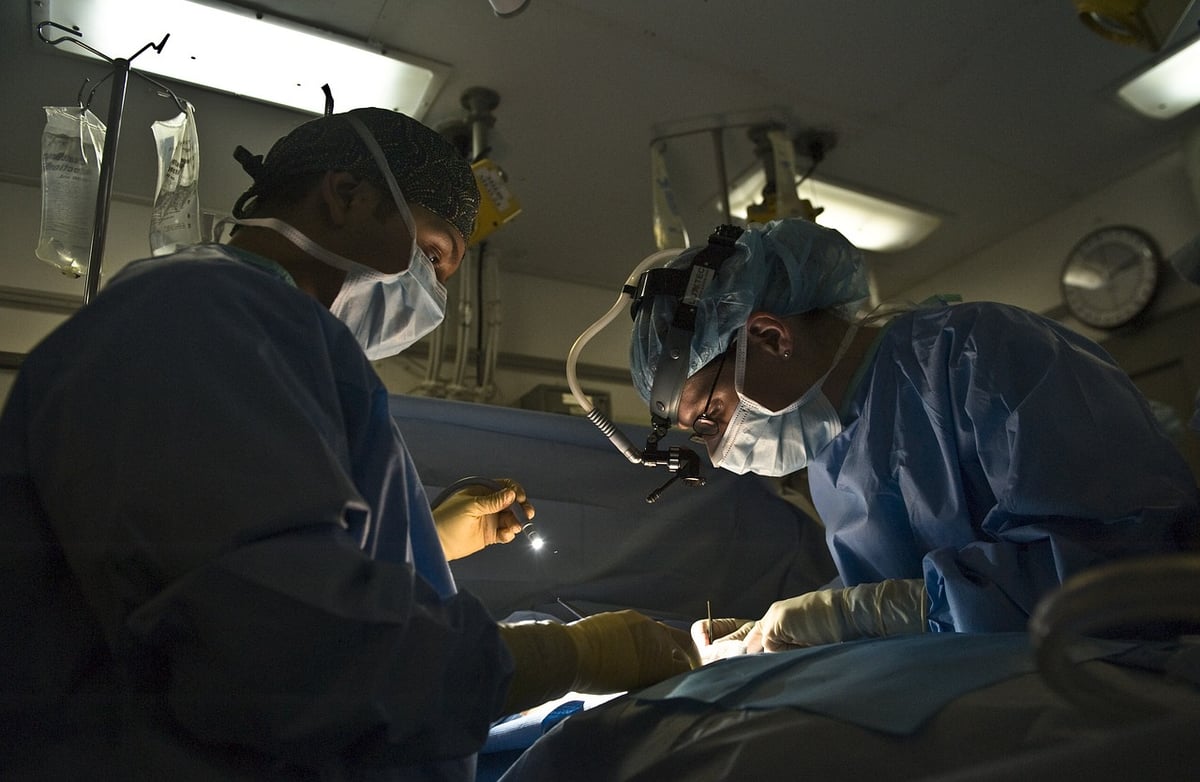
Care providers in clinical settings depend heavily on lighting design that supports their work without fatigue or visual discomfort. Precise lighting is critical in avoiding medical errors during surgeries, medication preparation, and diagnostics. A well-lit hospital environment reduces eye strain and prevents mistakes caused by poor visibility or glare, elevating staff performance and patient safety.
Task lighting, particularly in high-stakes areas like operating theaters, requires careful selection to provide shadow-free, uniform illumination. Integrating adjustable and tunable lighting allows clinicians to adapt the light intensity and temperature to varying procedural demands. According to the insights shared in this discussion on task lighting importance, such tailored lighting solutions can substantially mitigate workplace errors and liability in healthcare.
Beyond specific task areas, ambient lighting influences the overall hospital atmosphere. Soft, indirect light reduces stress and promotes relaxation in waiting rooms and patient areas — crucial factors that contribute to faster patient recovery by lowering cortisol levels. Meanwhile, dynamic lighting environments designed to mimic natural outdoor conditions can positively impact the morale and energy levels of staff working long shifts, especially night workers, by reducing circadian disruption and fatigue.
Furthermore, lighting systems designed for energy efficiency not only reduce operational costs but also contribute to sustainable hospital practices. Employing LED technology combined with smart controls enables facilities to minimize energy waste, harness daylight harvesting strategies, and maintain compliance with environmental regulations, all critical in the cost-sensitive healthcare industry.
Integrating Natural and Artificial Lighting for Therapeutic Clinical Settings
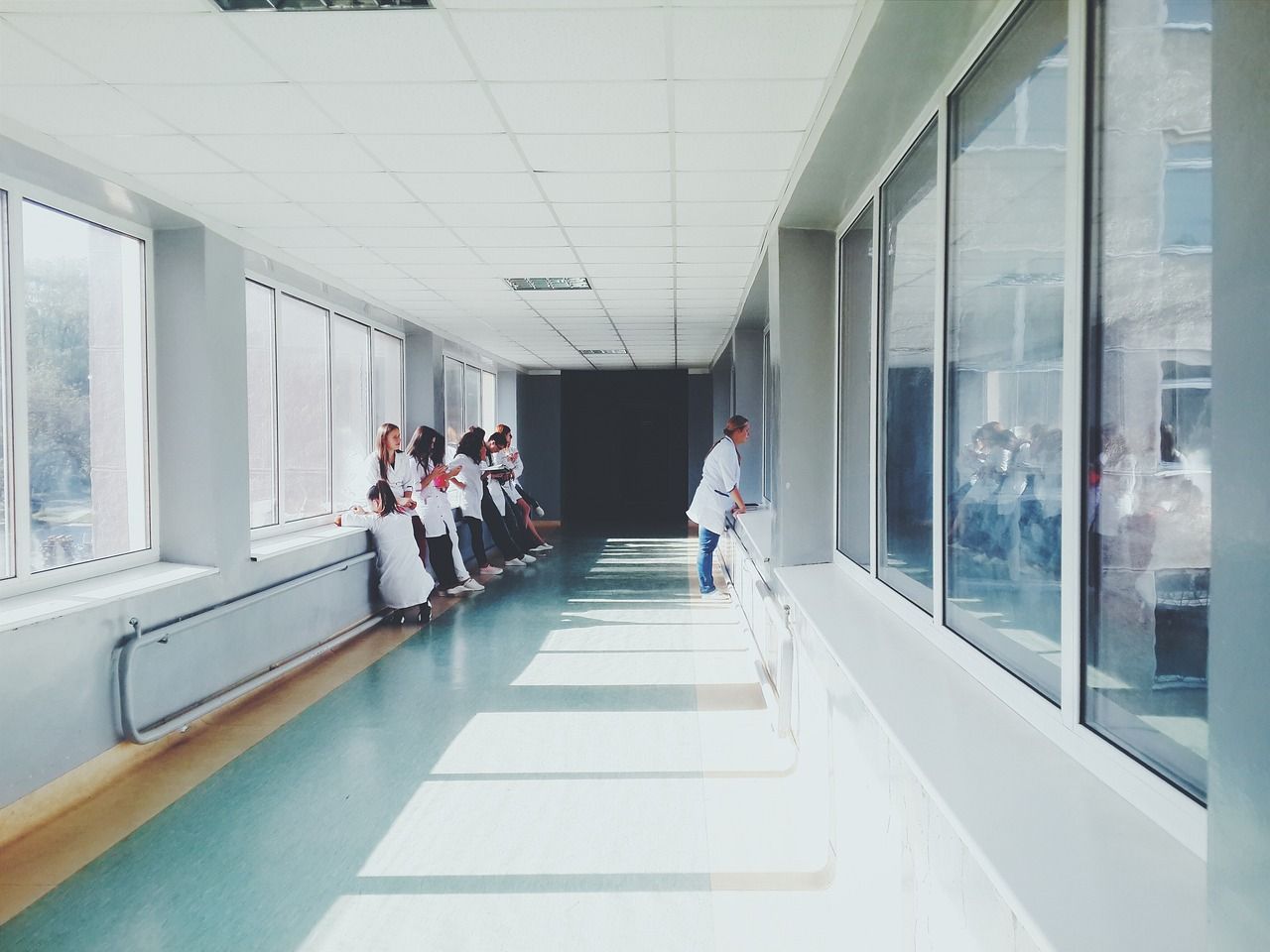
Natural light remains one of the most beneficial resources in healthcare lighting, offering both psychological comfort and physiological benefits to patients and staff alike. Hospitals designed to maximize daylight exposure—with features such as large windows, skylights, and light wells—show faster patient recovery and improved mood among occupants.
In settings where natural light is insufficient, artificial lighting systems designed to replicate its qualities modulate intensity and spectrum throughout the day. This approach supports circadian regulation, enhancing patient sleep patterns and reducing recovery time. It is increasingly common to combine daylight harvesting with LED lighting to optimize energy efficiency while preserving wellness-oriented lighting strategies.
Patient rooms equipped with dimmable lights allow individuals to personalize their environment, promoting autonomy and comfort. Studies have also demonstrated that access to natural light in hospital corridors and waiting areas reduces feelings of anxiety and institutional coldness, general factors that adversely impact patient satisfaction and outcomes.
The clinical application of light therapy in depression and seasonal disorders further underscores lighting’s role beyond basic illumination. Therapeutic lighting devices mimic natural sunlight to treat mood disorders and improve wellbeing, and integrating these into healthcare lighting schemes magnifies positive health outcomes.
Best Practices and Technological Innovations in Healthcare Lighting Design
Implementing successful healthcare lighting involves multiple interrelated considerations that extend beyond brightness levels. Designers must balance clinical functionality, energy efficiency, and user comfort while adhering to rigorous healthcare lighting standards. These standards dictate minimum lumen requirements, color rendering index (CRI), correlated color temperature (CCT), and emergency lighting protocols necessary to ensure safety and optimal visual conditions.
Innovation in lighting technology, such as tunable white lighting systems, enables fine control over color temperature and intensity. This adaptability helps meet the diverse demands of different hospital zones—from brightly lit operating rooms to restful patient bedrooms. Such systems also accommodate situational needs, including improved alertness during emergencies or relaxing tones for recovery phases.
Smart lighting controls constitute another advancement that allows healthcare facilities to customize lighting scenes and automate adjustments based on occupancy and daylight availability. This capability not only elevates patient and staff experience but also reduces energy consumption. For those interested in optimizing lighting controls, exploring smart lighting control solutions offers insight into making infrastructures more responsive and cost-effective.
Incorporating flexibility ensures lighting systems can evolve with changing healthcare demands, such as accommodating different patient populations or emerging treatment modalities. Additionally, selecting easy-to-clean fixtures contributes to infection control—a critical consideration in clinical environments.
| Aspect | Key Considerations |
|---|---|
| User Needs | Assess activity types, required illuminance, and lighting preferences. |
| Functionality vs. Ambiance | Balance task-specific lighting with ambient and accent lighting. |
| Natural vs. Artificial Light | Maximize natural daylight; supplement with tunable artificial lighting. |
| Compliance | Adhere strictly to healthcare lighting standards and safety codes. |
| Energy Efficiency | Employ LED fixtures, daylight harvesting, and intelligent controls. |
| Flexibility | Use dimmable and programmable lighting adaptable to user needs. |
How Can Healthcare Facilities Improve Patient Outcomes Through Better Lighting?
Explore the key benefits of optimized healthcare lighting and interact with the data below.
Healthcare Lighting Benefits
-
Proper lighting helps regulate patients’ biological clocks, improving sleep quality and overall wellness.
-
Using smart, energy-saving lights reduces operational costs and environmental footprint.
-
Optimized lighting accelerates healing by reducing stress and promoting comfort.
-
Better lighting conditions lower fatigue and increase focus for healthcare staff.
Impact Levels of Lighting Factors on Patient Outcomes
Select a lighting factor below to visualize its estimated impact on patient recovery, staff performance, and energy efficiency.
Creating Healing Spaces: The Psychological and Physiological Dimensions of Healthcare Lighting
Exquisite lighting design in healthcare addresses the psychological and physiological dimensions of healing. Proper illumination helps to reduce patient anxiety and depression while fostering a serene healing environment. Exposure to adequate light improves mood, energizes patients and staff, and triggers biochemical processes vital for recovery.
Psychologically, well-designed lighting can transform sterile, intimidating hospital settings into calming spaces that patients and visitors find comforting. This transformation assists in reducing stress hormones, which in turn promotes immune function.
Physiologically, lighting influences vital processes including sleep quality, hormonal balance, and pain perception. For patients undergoing treatment for chronic illnesses or mental health conditions, light therapy and circadian-aware lighting can accelerate rehabilitation.
Lighting that allows patient autonomy—such as dimming and color temperature control—enhances satisfaction and motivates participation in recovery protocols. Studies highlighting these benefits underscore the importance of integrating lighting design as a core element in clinical planning rather than an afterthought.
- Improved mood and reduced anxiety through natural and tunable artificial light
- Faster patient recovery correlated with circadian-supportive lighting strategies
- Lower dependence on pain medication and reduced hospital stay durations
- Enhanced staff alertness and reduction in fatigue during demanding shifts
- Environmentally responsible lighting solutions blending efficacy with sustainability
Why is healthcare lighting critical for patient recovery?
Healthcare lighting supports regulation of circadian rhythms, improves mood, and fosters environments conducive to healing, directly influencing patient recovery rates and overall outcomes.
How does optimized lighting benefit hospital staff performance?
Proper lighting reduces errors and fatigue among healthcare professionals by enhancing visibility and comfort, which in turn boosts accuracy and safety in clinical tasks.
What role does energy efficiency play in healthcare lighting?
Energy-efficient lighting such as LED technology combined with smart controls reduces operational costs and environmental impact in healthcare facilities while maintaining quality lighting standards.
How can hospitals integrate natural and artificial light effectively?
Hospitals can maximize natural daylight through architectural design and supplement it with tunable artificial lighting to maintain circadian rhythm support and create therapeutic environments regardless of outdoor light conditions.